This is a carousel with zoom. Use the thumbnails to navigate, or jump to a slide. Use the zoom button to zoom into a image.

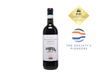
Le Carmes Haut-Brion, Pessac-Léognan 2016

Red Wine from France - Bordeaux
0 star rating 0 Reviews
The influence of Guillaume Pouthier, winemaker at the tiny (5.5 hectare) Les Carmes, should not be underestimated, and the wines go from strength to strength under his direction. The 2016 has as much energy and vitality as Guillaume himself, with mouthwatering layered fruit and sleek tannins. The high proportion of cabernet franc (41% of the final blend) will ensure a long life ahead.
Price: £160.00 Bottle (£213.33/litre)
Price: £960.00 Case of 6 (£213.33/litre)
In Stock
Code: CM19831

Wine characteristics

  • Red Wine
  • Medium-bodied
  • Cabernet Merlot
  • 75cl
  • Now to 2042
  • 13.5% Alcohol
  • oak used but not v. noticeable
  • Cork, natural
  • 580 g (Empty bottle weight)

Bestselling wines

Cru Classe Medoc, Graves

The original and most famous wine classification came about when the organisers of the 1855 Universal Exposition of Paris wanted, naturally enough, to show the finest wines of the Bordeaux region. Brokers dealing in the wines got together and produced two classifications of the best red and sweet wines respectively, based on the selling price of the wines at that time. The list was produced very soon after a request for it from the Bordeaux Chamber of Commerce was made, strongly suggesting that there was an ‘unofficial’ hierarchy already well known to the brokers.

These Grand Cru Classé wines were ranked in five tiers and, apart from the famous promotion of Château Mouton Rothschild in 1973 and the addition of Château Cantemerle to the fourth growths soon after the classification was established, they have remained unchanged ever since. Effectively, they represent what should be the best wines of the Médoc with the one interloper, Château Haut-Brion from Pessac-Léognan in the...
The original and most famous wine classification came about when the organisers of the 1855 Universal Exposition of Paris wanted, naturally enough, to show the finest wines of the Bordeaux region. Brokers dealing in the wines got together and produced two classifications of the best red and sweet wines respectively, based on the selling price of the wines at that time. The list was produced very soon after a request for it from the Bordeaux Chamber of Commerce was made, strongly suggesting that there was an ‘unofficial’ hierarchy already well known to the brokers.

These Grand Cru Classé wines were ranked in five tiers and, apart from the famous promotion of Château Mouton Rothschild in 1973 and the addition of Château Cantemerle to the fourth growths soon after the classification was established, they have remained unchanged ever since. Effectively, they represent what should be the best wines of the Médoc with the one interloper, Château Haut-Brion from Pessac-Léognan in the Graves region.

The wines of the right bank, such as Saint-Emilion and Pomerol were not included because their selling price was not as high at that time. Five first growths sit at the head of 62 properties, all of them from the Médoc except for Château Haut-Brion in Pessac-Léognan.

Naturally enough, there have been many unofficial revisions made over the years, with expert opinions brought to bear on what promotions and demotions might have been over the years, but none of these musings, no matter how reflective of changing standards and prices they might be, will change the stratification as it stands.

The classification is as follows:
First Growths (Premiers Crus)
Château Lafite Rothschild, Pauillac; Château Latour, Pauillac; Château Margaux, Margaux; Château Haut-Brion, Pessac-Léognan ; Château Mouton Rothschild, Pauillac.

Second Growths (Deuxièmes Crus)
Château Rauzan-Ségla, Margaux; Château Rauzan-Gassies, Margaux; Château Léoville-Las Cases, Saint-Julien; Château Léoville-Poyferré, Saint-Julien; Château Léoville-Barton, Saint-Julien; Château Durfort-Vivens, Margaux; Château Gruaud-Larose, Saint-Julien; Château Lascombes, Margaux; Château Brane-Cantenac, Margaux; Château Pichon Longueville Baron, Pauillac; Château Pichon Longueville Comtesse de Lalande, Pauillac; Château Ducru-Beaucaillou, Saint-Julien; Château Cos d'Estournel, Saint-Estèphe; Château Montrose, Saint-Estèphe.

Third Growths (Troisièmes Crus)
Château Kirwan, Margaux; Château d'Issan (Margaux); Château Lagrange, Saint-Julien; Château Langoa-Barton, Saint-Julien; Château Giscours, Margaux; Château Malescot Saint Exupéry, Margaux; Château Cantenac-Brown, Margaux; Château Boyd-Cantenac, Margaux; Palmer, now Château Palmer, Margaux; Château La Lagune, Ludon (Haut-Médoc); Château Desmirail, Margaux; Château Dubignon, Margaux; Château Calon-Ségur, Saint-Estèphe; Château Ferrière, Margaux; Château Marquis d'Alesme Becker, Margaux.

Fourth Growths (Quatrièmes Crus)
Château Saint-Pierre, Saint-Julien; Château Talbot, Saint-Julien; Château Branaire-Ducru, Saint-Julien; Château Duhart-Milon, Pauillac; Château Pouget, Margaux; Château La Tour Carnet, Saint-Laurent (Haut-Médoc); Château Lafon-Rochet, Saint-Estèphe; Château Beychevelle, Saint-Julien; Château Prieuré-Lichine, Margaux; Château Marquis de Terme, Margaux.

Fifth Growths (Cinquièmes Crus)
Château Pontet-Canet, Pauillac; Château Batailley, Pauillac; Château Haut-Batailley, Pauillac; Château Grand-Puy-Lacoste, Pauillac; Château Grand-Puy-Ducasse, Pauillac; Château Lynch-Bages, Pauillac; Château Lynch-Moussas, Pauillac; Château Dauzac, Margaux; Château d'Armailhac, Pauillac; Château du Tertre, Margaux; Château Haut-Bages-Libéral, Pauillac; Château Pédesclaux, Pauillac; Château Belgrave, Saint-Laurent (Haut-Médoc); Château de Camensac, Saint-Laurent (Haut-Médoc); Château Cos Labory, Saint-Estèphe; Château Clerc-Milon, Pauillac; Château Croizet Bages, Pauillac; Château Cantemerle, Macau (Haut-Médoc).

Alongside the reds resides the classification for Sauternes and Barsac from further up river on the Garonne. There, 27 estates make up a smaller pyramid of their own, topped by the legendary Château d’Yquem, which had been classified out on its own above all the other sweet wines of the region.

Since the 1885 classification there have been other such systems established. Those of Graves and Saint-Emilion, both established much later than the 1855 and both subject to change, changes which cause no end of trouble for the authorities as estates are promoted or, more contentiously demoted and seek legal redress for the perceived injustice.

Cru Bourgeois is a further classification in the Médoc, representing some 30% of the production of the area. It was established in 1932 to represent properties outside of the Grand Cru Classé estates, though it was not officially recognised by the French government until 2003. At that time the selection of properties entitled to use the designation was revised and, unsurprisingly, fiercely contested by those who were left outside the classification, leading to a legal decision annulling the original classification while their status is re-examined by the Bordeaux Chamber of Commerce. The list has previously been revised every 12 years, but from the 2018 vintage will be accredited every five years, and is based on the history terroir, winemaking and quality control of the properties, overseen by the Alliance des Crus Bourgeios de Médoc created in the same year as the revision. It is divided into three categories: Cru Bourgeios, Cru Bourgeios Supérieur and Cru Bourgeois Exceptionnel. In theory the fact that qualification for the designation is based on quality should see improvements in the quality of wines made under its nomenclature.
Read more

Château Haut-Brion

The only one of the five first growths outside of the Médoc, Château Haut-Brion lies in the Pessac-Léognan region slightly further south, and is surrounded by the suburbs of Pessac. The urban, rather than rural location is somewhat rare for a property of this status (though research shows this results in higher temperatures, which aid vine growth) and accounts for its smaller size, though there are still 51 hectares under vine.

Haut-Brion is one of the oldest wine estates in Bordeaux, and probably the first to make wine under its own name, with winemaking underway around 100 years before its first growth peers. It has really only been owned by four major families, each of which made its own impact and contributed to the property’s high repute.

The Pontacs (who were in control from 1533 to 1748) were the first to invest in vineyards, and they established Haut-Brion as a premium and sought-after wine, with fans including Samuel Pepys and King Charles II. The Furnel family took over between 1748 and 1790, and it was during this time that future American President Thomas Jefferson paid a visit, and described Haut-Brion as ‘the very best Bordeaux wine.’

The Larrieu family was in control from 1836 to 1922, during which time the estate was granted its first growth status, and overcame phylloxera, which had destroyed so many of the vineyards of Bordeaux. From 1935, the estate has been owned by the American Dillon family, and it was under its ownership that significant winery...
The only one of the five first growths outside of the Médoc, Château Haut-Brion lies in the Pessac-Léognan region slightly further south, and is surrounded by the suburbs of Pessac. The urban, rather than rural location is somewhat rare for a property of this status (though research shows this results in higher temperatures, which aid vine growth) and accounts for its smaller size, though there are still 51 hectares under vine.

Haut-Brion is one of the oldest wine estates in Bordeaux, and probably the first to make wine under its own name, with winemaking underway around 100 years before its first growth peers. It has really only been owned by four major families, each of which made its own impact and contributed to the property’s high repute.

The Pontacs (who were in control from 1533 to 1748) were the first to invest in vineyards, and they established Haut-Brion as a premium and sought-after wine, with fans including Samuel Pepys and King Charles II. The Furnel family took over between 1748 and 1790, and it was during this time that future American President Thomas Jefferson paid a visit, and described Haut-Brion as ‘the very best Bordeaux wine.’

The Larrieu family was in control from 1836 to 1922, during which time the estate was granted its first growth status, and overcame phylloxera, which had destroyed so many of the vineyards of Bordeaux. From 1935, the estate has been owned by the American Dillon family, and it was under its ownership that significant winery renovations took place, including the decision to make Haut-Brion the first property to convert to stainless-steel tanks for vinification. Joan Dillon married Princes Charles of Luxembourg in 1967, and since 2002 Prince Robert of Luxembourg has overseen the estate. In 1983 the family bought the neighbouring leading estate of La Mission Haut-Brion, but each wine continues to be made separately to retain its personality.

The property gets its name from the hill on which the vineyards lie – ‘brion’ is thought to derive from the Celtic ‘briga’, meaning ‘hill’. The deep gravel soils here have more sand and clay than their Médoc counterparts, and there is a higher proportion of merlot: this makes up 42% of the red plantings, with cabernet sauvignon covering 44%, 13% cabernet franc and 1% petit verdot. Three of the 51 hectares are given to white varieties – an almost equal mix of sauvignon blanc and semillon. Since 2003, the estate manager and Technical Director has been Jean-Philippe Delmas, whose father and grandfather enjoyed the role before him.

Jean-Philippe Masclef has been oenologist here since 1995. The grapes are vinified in stainless-steel tanks plot by plot and a detailed tasting evaluation of the different vats determines the final blend. This then spends 18-20 months ageing in oak. From year to year, merlot and cabernet sauvignon alternate as the dominant variety, depending on vintage conditions, but the finished wine always remains true to the signature Haut-Brion style.

Haut-Brion makes an excellent second wine, Clarence de Haut-Brion (previously called Bahans Haut-Brion), and a tiny quantity of sought-after white, Haut-Brion Blanc. It has been using its distinctive bottles – emulating designs of old decanter models – since the 1958 vintage.
Read more

Bordeaux Vintage 2016 Médoc Cru Classé

Bordeaux has produced an abundance of superb wines in 2016. The reds exhibit real energy and vitality, with pure bouquets, plush silky tannins, plenty of mid-palate fruit and impressive length of flavour. Slightly lower-thanaverage alcohol levels, allied to the perfumed fruit and ripe tannins that typify the vintage, will ensure wines with exceptional balance and ageing potential. Comparisons of 2016 with previous vintages are hard to draw, and none of the owners and winemakers that we talked to during our visits were willing (or able) to suggest a similar vintage in terms of wine style. Nicolas Audebert, who makes the wines at Château Rauzan-Ségla, uses the description ‘un kilo de plumes’, or a pound of feathers for those preferring imperial measures, meaning that the wines have volume as opposed to weight. This comes closest to capturing the essence of the 2016s. Unlike last year, the successes of the 2016 vintage come from all corners of Bordeaux. Cabernets from the Médoc ripened...
Bordeaux has produced an abundance of superb wines in 2016. The reds exhibit real energy and vitality, with pure bouquets, plush silky tannins, plenty of mid-palate fruit and impressive length of flavour. Slightly lower-thanaverage alcohol levels, allied to the perfumed fruit and ripe tannins that typify the vintage, will ensure wines with exceptional balance and ageing potential. Comparisons of 2016 with previous vintages are hard to draw, and none of the owners and winemakers that we talked to during our visits were willing (or able) to suggest a similar vintage in terms of wine style. Nicolas Audebert, who makes the wines at Château Rauzan-Ségla, uses the description ‘un kilo de plumes’, or a pound of feathers for those preferring imperial measures, meaning that the wines have volume as opposed to weight. This comes closest to capturing the essence of the 2016s. Unlike last year, the successes of the 2016 vintage come from all corners of Bordeaux. Cabernets from the Médoc ripened beautifully from Margaux to Saint-Estèphe, as they did in PessacLéognan and the Graves, while both Pomerol and Saint-Emilion enjoyed a healthy, ripe merlot crop.

So-called second wines were almost uniformly excellent too. This is partly due to the fact that with cabernet sauvignon ripening so perfectly, many châteaux increased the proportion of that grape in their grand vin. The knock-on effect was that high-quality merlot grapes, normally destined for the first wine, ended up in the properties’ second wines, to their undoubted benefit.

One point of caution to note is that vineyards in some parts of Bordeaux this spring have been devastated by late frost (around 26th and 27th April), and consequently there will be little or no wine available from some châteaux in the 2017 vintage. The overused adage ‘buy now while stocks last’ may actually be relevant this year!
Read more

2016 vintage reviews
Back to top