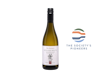
“Château Clerc Milon, Pauillac 2017” is out of stock.

View original product description

This is a carousel with zoom. Use the thumbnails to navigate, or jump to a slide. Use the zoom button to zoom into a image.

Sold Out

Château Clerc Milon, Pauillac 2017

Red Wine from France - Bordeaux
0 star rating 0 Reviews
Outstanding wine from the Mouton Rothschild stable, with deep colour, classic blackcurrant bouquet and mocha coffee and leather notes on the palate. Fine tannins and good density of fruit will ensure a long and rewarding life ahead. 2025–2040. 13%
Out of stock
Code: CM22091

Wine characteristics

  • Red Wine
  • Medium-bodied
  • Cabernet Merlot
  • 75cl
  • Now to 2040
  • 13.5% Alcohol
  • oak used but not v. noticeable
  • Cork, natural

Bestselling wines

Cru Classe Medoc, Graves

The original and most famous wine classification came about when the organisers of the 1855 Universal Exposition of Paris wanted, naturally enough, to show the finest wines of the Bordeaux region. Brokers dealing in the wines got together and produced two classifications of the best red and sweet wines respectively, based on the selling price of the wines at that time. The list was produced very soon after a request for it from the Bordeaux Chamber of Commerce was made, strongly suggesting that there was an ‘unofficial’ hierarchy already well known to the brokers.

These Grand Cru Classé wines were ranked in five tiers and, apart from the famous promotion of Château Mouton Rothschild in 1973 and the addition of Château Cantemerle to the fourth growths soon after the classification was established, they have remained unchanged ever since. Effectively, they represent what should be the best wines of the Médoc with the one interloper, Château Haut-Brion from Pessac-Léognan in the...
The original and most famous wine classification came about when the organisers of the 1855 Universal Exposition of Paris wanted, naturally enough, to show the finest wines of the Bordeaux region. Brokers dealing in the wines got together and produced two classifications of the best red and sweet wines respectively, based on the selling price of the wines at that time. The list was produced very soon after a request for it from the Bordeaux Chamber of Commerce was made, strongly suggesting that there was an ‘unofficial’ hierarchy already well known to the brokers.

These Grand Cru Classé wines were ranked in five tiers and, apart from the famous promotion of Château Mouton Rothschild in 1973 and the addition of Château Cantemerle to the fourth growths soon after the classification was established, they have remained unchanged ever since. Effectively, they represent what should be the best wines of the Médoc with the one interloper, Château Haut-Brion from Pessac-Léognan in the Graves region.

The wines of the right bank, such as Saint-Emilion and Pomerol were not included because their selling price was not as high at that time. Five first growths sit at the head of 62 properties, all of them from the Médoc except for Château Haut-Brion in Pessac-Léognan.

Naturally enough, there have been many unofficial revisions made over the years, with expert opinions brought to bear on what promotions and demotions might have been over the years, but none of these musings, no matter how reflective of changing standards and prices they might be, will change the stratification as it stands.

The classification is as follows:
First Growths (Premiers Crus)
Château Lafite Rothschild, Pauillac; Château Latour, Pauillac; Château Margaux, Margaux; Château Haut-Brion, Pessac-Léognan ; Château Mouton Rothschild, Pauillac.

Second Growths (Deuxièmes Crus)
Château Rauzan-Ségla, Margaux; Château Rauzan-Gassies, Margaux; Château Léoville-Las Cases, Saint-Julien; Château Léoville-Poyferré, Saint-Julien; Château Léoville-Barton, Saint-Julien; Château Durfort-Vivens, Margaux; Château Gruaud-Larose, Saint-Julien; Château Lascombes, Margaux; Château Brane-Cantenac, Margaux; Château Pichon Longueville Baron, Pauillac; Château Pichon Longueville Comtesse de Lalande, Pauillac; Château Ducru-Beaucaillou, Saint-Julien; Château Cos d'Estournel, Saint-Estèphe; Château Montrose, Saint-Estèphe.

Third Growths (Troisièmes Crus)
Château Kirwan, Margaux; Château d'Issan (Margaux); Château Lagrange, Saint-Julien; Château Langoa-Barton, Saint-Julien; Château Giscours, Margaux; Château Malescot Saint Exupéry, Margaux; Château Cantenac-Brown, Margaux; Château Boyd-Cantenac, Margaux; Palmer, now Château Palmer, Margaux; Château La Lagune, Ludon (Haut-Médoc); Château Desmirail, Margaux; Château Dubignon, Margaux; Château Calon-Ségur, Saint-Estèphe; Château Ferrière, Margaux; Château Marquis d'Alesme Becker, Margaux.

Fourth Growths (Quatrièmes Crus)
Château Saint-Pierre, Saint-Julien; Château Talbot, Saint-Julien; Château Branaire-Ducru, Saint-Julien; Château Duhart-Milon, Pauillac; Château Pouget, Margaux; Château La Tour Carnet, Saint-Laurent (Haut-Médoc); Château Lafon-Rochet, Saint-Estèphe; Château Beychevelle, Saint-Julien; Château Prieuré-Lichine, Margaux; Château Marquis de Terme, Margaux.

Fifth Growths (Cinquièmes Crus)
Château Pontet-Canet, Pauillac; Château Batailley, Pauillac; Château Haut-Batailley, Pauillac; Château Grand-Puy-Lacoste, Pauillac; Château Grand-Puy-Ducasse, Pauillac; Château Lynch-Bages, Pauillac; Château Lynch-Moussas, Pauillac; Château Dauzac, Margaux; Château d'Armailhac, Pauillac; Château du Tertre, Margaux; Château Haut-Bages-Libéral, Pauillac; Château Pédesclaux, Pauillac; Château Belgrave, Saint-Laurent (Haut-Médoc); Château de Camensac, Saint-Laurent (Haut-Médoc); Château Cos Labory, Saint-Estèphe; Château Clerc-Milon, Pauillac; Château Croizet Bages, Pauillac; Château Cantemerle, Macau (Haut-Médoc).

Alongside the reds resides the classification for Sauternes and Barsac from further up river on the Garonne. There, 27 estates make up a smaller pyramid of their own, topped by the legendary Château d’Yquem, which had been classified out on its own above all the other sweet wines of the region.

Since the 1885 classification there have been other such systems established. Those of Graves and Saint-Emilion, both established much later than the 1855 and both subject to change, changes which cause no end of trouble for the authorities as estates are promoted or, more contentiously demoted and seek legal redress for the perceived injustice.

Cru Bourgeois is a further classification in the Médoc, representing some 30% of the production of the area. It was established in 1932 to represent properties outside of the Grand Cru Classé estates, though it was not officially recognised by the French government until 2003. At that time the selection of properties entitled to use the designation was revised and, unsurprisingly, fiercely contested by those who were left outside the classification, leading to a legal decision annulling the original classification while their status is re-examined by the Bordeaux Chamber of Commerce. The list has previously been revised every 12 years, but from the 2018 vintage will be accredited every five years, and is based on the history terroir, winemaking and quality control of the properties, overseen by the Alliance des Crus Bourgeios de Médoc created in the same year as the revision. It is divided into three categories: Cru Bourgeios, Cru Bourgeios Supérieur and Cru Bourgeois Exceptionnel. In theory the fact that qualification for the designation is based on quality should see improvements in the quality of wines made under its nomenclature.
Read more

Château Clerc Milon

Clerc Milon was the third of the Pauillac classed growths acquired by Baron Philippe de Rothschild, joining Mouton and d’Armailhac. Its name derives from two sources: Milon is the name of the hamlet in which it is located, in the north-east of the Pauillac appellation, and Clerc is the name of the family which acquired it after the French Revolution. By the time of the 1855 Classification, the property had 30 hectares under vine, and was awarded fifth growth status.

Despite its illustrious neighbours – it is not far from both Lafite and Mouton-Rothschild – quality had dwindled significantly by the time the Rothschilds acquired it in 1970. Much of the vineyard had been sold, and what remained was 16.5 hectares in fragmented parcels, so Baron Philippe de Rothschild set about reclaiming some of the best vineyard plots.

The vines now span 40 hectares on gentle slopes of deep gravel and clay-limestone soils. Clerc Milon also has some of the oldest vines in the Médoc – the average age is an impressive 53 years – and of course the vineyards benefit from the same care and attention to detail as those at Mouton Rothschild. Since 2004 the property also incorporates the small estate La Fleur Milon.

There have also been huge renovations to the estate’s buildings. The château itself is now a circular, temple-like building with a vast terrace which leads out onto the vines. In 2007, a new gravity-operated winery was built, which allows for less invasive vinification methods, ensuring that...
Clerc Milon was the third of the Pauillac classed growths acquired by Baron Philippe de Rothschild, joining Mouton and d’Armailhac. Its name derives from two sources: Milon is the name of the hamlet in which it is located, in the north-east of the Pauillac appellation, and Clerc is the name of the family which acquired it after the French Revolution. By the time of the 1855 Classification, the property had 30 hectares under vine, and was awarded fifth growth status.

Despite its illustrious neighbours – it is not far from both Lafite and Mouton-Rothschild – quality had dwindled significantly by the time the Rothschilds acquired it in 1970. Much of the vineyard had been sold, and what remained was 16.5 hectares in fragmented parcels, so Baron Philippe de Rothschild set about reclaiming some of the best vineyard plots.

The vines now span 40 hectares on gentle slopes of deep gravel and clay-limestone soils. Clerc Milon also has some of the oldest vines in the Médoc – the average age is an impressive 53 years – and of course the vineyards benefit from the same care and attention to detail as those at Mouton Rothschild. Since 2004 the property also incorporates the small estate La Fleur Milon.

There have also been huge renovations to the estate’s buildings. The château itself is now a circular, temple-like building with a vast terrace which leads out onto the vines. In 2007, a new gravity-operated winery was built, which allows for less invasive vinification methods, ensuring that the minimum amount of the grapes’ natural aromas and character is lost. A new temperature-controlled chai was also added in 2011.

The wine is quite different in style from Mouton Rothschild and d’Armailhac, being full-bodied, fairly chunky and perhaps less elegant, with a higher proportion of merlot. The blend incorporates five of Bordeaux’s premium varieties: 29% is cabernet sauvignon, 37% merlot, 11% cabernet franc, 2% petit verdot and 1% carménère. After vinification, the wine spends 18 months in oak barrels, 40% of which are new. Clerc Milon repays longer cellaring than d’Armailhac – typically around 10 to 25 years.

The Rothschilds sought inspiration for Clerc Milon’s labels from the Museum of Wine in Art at Mouton Rothschild: first, a silver cup called a Jungfraubecher (a tradition of German weddings throughout the 17th century) was featured, and from 1983 the label has sported a pair of 17th century dancers made of precious stones.
Read more

Bordeaux Vintage 2017

In the many years that we have been visiting Bordeaux to taste the new vintage we have never encountered a year quite like 2017. The vintage will forever be associated with the frost of 27th and 28th April, the most destructive in more than a quarter of a century, which ravaged some fine vineyards. Angludet, Grand Corbin Despagne, La Pointe and Climens, for example, heartbreakingly for them, have produced no 2017 wine. In complete contrast all the classic Médoc vineyards that sit on gravel slopes beside the Gironde have made a full crop of marvellous wine, benefitting from the precocity of vine growth which made many others vulnerable. Top châteaux of the Pomerol plateau and on the limestone ridge beside the town of Saint-Emilion were similarly largely untouched by frost damage, and produced beautifully ripe grapes.

It was a roller coaster of a year. A hot June was punctuated by a heavy dose of rain which helped the vines to endure one of the driest July and August periods ever,...
In the many years that we have been visiting Bordeaux to taste the new vintage we have never encountered a year quite like 2017. The vintage will forever be associated with the frost of 27th and 28th April, the most destructive in more than a quarter of a century, which ravaged some fine vineyards. Angludet, Grand Corbin Despagne, La Pointe and Climens, for example, heartbreakingly for them, have produced no 2017 wine. In complete contrast all the classic Médoc vineyards that sit on gravel slopes beside the Gironde have made a full crop of marvellous wine, benefitting from the precocity of vine growth which made many others vulnerable. Top châteaux of the Pomerol plateau and on the limestone ridge beside the town of Saint-Emilion were similarly largely untouched by frost damage, and produced beautifully ripe grapes.

It was a roller coaster of a year. A hot June was punctuated by a heavy dose of rain which helped the vines to endure one of the driest July and August periods ever, although, paradoxically, temperatures were below the seasonal average. More rain in September helped and enhanced maturation of cabernet sauvignon, though some earlier picked merlot was diluted. On the right bank, merlots were splendid but cabernet franc tended to suffer, and the less-planted cabernet sauvignon came into its own.

Wonderfully fragrant wines with beautiful balance, displaying intensity and fresh, long-lasting flavour. They have the structure to ensure long life, but tannins are soft and silky, so some will be approachable relatively young. Top Médocs are completely dominated by cabernet sauvignon, which is their trump card in great years. Pomerol produced glorious full fragrant but fresh merlot.

All in all 2017 was a vintage which demanded close observation, good decision making, hard work and the luck to have frost-free vines. But the happy result is a group of lovely fragrant clarets with depth of flavour and class, and a very promising future.
Read more

2017 vintage reviews
Back to top