}

“Châteauneuf-du-Pape, Château de Beaucastel, 2010” is out of stock.

View original product description

This is a carousel with zoom. Use the thumbnails to navigate, or jump to a slide. Use the zoom button to zoom into a image.

Sold Out

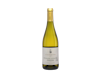
Châteauneuf-du-Pape, Château de Beaucastel, 2010

0 star rating 0 Reviews
The blend for this superb wine is 30% each grenache and mourvèdre, 10% each syrah and counoise and 5% cinsault, with other varieties making up the balance. All the elements that set Beaucastel apart are here, from the deep, dark hue, spicy black fruit and subtly herbal nose, exquisitely balanced palate and long, long finish. The patient will be well rewarded. Outstanding!
Out of stock
Code: RH30641

Wine characteristics

  • Red Wine
  • Grenache Syrah Mourvedre
  • 75cl
  • Now to 2040
  • 14.5% Alcohol
  • oak used but not v. noticeable
  • Cork, natural

Bestselling wines

Chateauneuf-du-Pape

In many ways Châteauneuf-du-Pape in the southern Rhône just north of Avignon, is the birthplace of the appellation controlée system in France. The Baron Le Roy, owner of Château Fortia, with the co-operation of his peers drew up a set of rules in 1923. Initially the regulations drawn up by the good Baron specified 10 grape varieties which could be used to make the wines, and when official AOC status was conferred in 1936 this became 13, and when revised again in 2009 the number of varieties permitted rose to 18. To be fair, the 18 include variations on varieties rather than adding new ones but it is still a number that represents the pragmatism of the rule-makers in the face of the plethora of grapes used by various growers.

Indeed, although Châteauneuf is famous for its large, heat-radiating galet stones, the soils of the 3,200 hectares of vineyards in the AC are also diverse, ranging from the galets to pebbles, clay, sand, iron-rich limestone, marl, quartzite and sandstone with...
In many ways Châteauneuf-du-Pape in the southern Rhône just north of Avignon, is the birthplace of the appellation controlée system in France. The Baron Le Roy, owner of Château Fortia, with the co-operation of his peers drew up a set of rules in 1923. Initially the regulations drawn up by the good Baron specified 10 grape varieties which could be used to make the wines, and when official AOC status was conferred in 1936 this became 13, and when revised again in 2009 the number of varieties permitted rose to 18. To be fair, the 18 include variations on varieties rather than adding new ones but it is still a number that represents the pragmatism of the rule-makers in the face of the plethora of grapes used by various growers.

Indeed, although Châteauneuf is famous for its large, heat-radiating galet stones, the soils of the 3,200 hectares of vineyards in the AC are also diverse, ranging from the galets to pebbles, clay, sand, iron-rich limestone, marl, quartzite and sandstone with combinations and variations thereof. Almost all are alluvial, deposited by the shifting course of the Rhône over millennia having been left behind by retreating glaciers, and most are what might be described as impoverished. Many growers own land in different parts of the AC and so possess an assortment of terroirs. The land is relatively flat with the highest altitudes being some 120m above sea-level. The most famous vineyard area is Le Crau, which is covered with galets and on which the renowned Domaine du Vieux Télégraphe is among the owners. Some wines are blends across terroirs, but there are an increasing number of single-vineyard or terroir bottlings.

The common factor to all areas is the heat of the growing season, made even more arid by the action of the mistral winds which carry away moisture. Temperatures during the growing season can reach 40oC, and ripeness in the grapes is rarely a problem, particularly in those terroirs where the galets act as storage heaters, soaking up the heat of the day and radiating it back at night. In fact, Châteauneuf-du-Pape has the highest minimum required alcohol level of any AC in France at 12.5%, though in reality most reds reach 14.5% quite easily. Some growers have planted vineyards with a northerly aspect to reduce the effects of the sun. Grenache, syrah and mourvédre are required under the AC laws to be pruned as gobelet or bush vines, without wires or trellises, in order that vine can shade the fruit to some extent and retain moisture within its shade.

90% of Châteauneuf-du-Pape’s production is red, principally utilising grenache noir and often with the support of syrah and mourvédre. The remaining grapes, including white varieties that will make the 10% of production bottled as such or co-vinified with red varieties, are cinsault, counoise, vaccarese, terret noir, muscardin, picpoul noir and blanc, picpoul gris, grenache blanc, grenache gris, clairette blanche and rose, bourbulenc, roussanne and picardin. In theory a producer can use all these varieties in one blend. Château de Beaucastel is one domaine which has used all 13 of the originally specified varieties in their bottlings. Oak is used in reds or whites by many growers to mature their wine though not all do so, and the wood might be new, old, small barrels or huge vats. White wine is made using a variety of the grapes mentioned above. They are usually full-bodied and aromatic, and the best examples can age wonderfully.

With the natural sugars in the red wine grapes being high, it is important that the grapes are allowed to reach phenolic ripeness, in particular that the tannins are balanced. Generally, the vine stems are removed from bunches, and some winemakers use carbonic or semi-carbonic maceration to emphasise fruit flavours.
Read more

Famille Perrin

The Perrin family is behind a bewildering number of enterprises. First there is Château de Beaucastel, the phenomenally successful Châteauneuf-du-Pape estate. La Vieille Ferme is a négociant division supplying significant volumes of well-priced wines from the Luberon and Ventoux. Grand Prébois is both a bottling hall in Courthezon and a brand of own-vineyard Côtes-du-Rhône and Vin de Pays. There is also an operation in California, providing Rhône vine stocks to growers, and making wine under the Tablas Creek label. Then there is Perrin Père et Fils which groups together the other Perrin-owned vineyard and grape contracts. The Perrins are very important growers in Vinsobres, a recently promoted cru much loved by Society members, and also own vineyards in Gigondas, Vacqueras and Cairanne.

It sounds like quite an empire, but retaining the personal touch across all interests and generations is the secret of the success of this exceptional family. Their wines are easily some of the most consistent and quality-conscious in the Rhône valley, because they are made with the same standards, philosophy, and respect for the environment that have made their flagship, Beaucastel such an iconic name.

Environmental sustainability
The Perrin family have been among the leaders in organic and biodynamic viticulture. Organic cultivation of their vineyards began in the 1950s, and in 1974, they took a further leap by adopting biodynamic...

The Perrin family is behind a bewildering number of enterprises. First there is Château de Beaucastel, the phenomenally successful Châteauneuf-du-Pape estate. La Vieille Ferme is a négociant division supplying significant volumes of well-priced wines from the Luberon and Ventoux. Grand Prébois is both a bottling hall in Courthezon and a brand of own-vineyard Côtes-du-Rhône and Vin de Pays. There is also an operation in California, providing Rhône vine stocks to growers, and making wine under the Tablas Creek label. Then there is Perrin Père et Fils which groups together the other Perrin-owned vineyard and grape contracts. The Perrins are very important growers in Vinsobres, a recently promoted cru much loved by Society members, and also own vineyards in Gigondas, Vacqueras and Cairanne.

It sounds like quite an empire, but retaining the personal touch across all interests and generations is the secret of the success of this exceptional family. Their wines are easily some of the most consistent and quality-conscious in the Rhône valley, because they are made with the same standards, philosophy, and respect for the environment that have made their flagship, Beaucastel such an iconic name.

Environmental sustainability
The Perrin family have been among the leaders in organic and biodynamic viticulture. Organic cultivation of their vineyards began in the 1950s, and in 1974, they took a further leap by adopting biodynamic practices at Beaucastel.

The family continue to be leaders in sustainability, as is demonstrated by the renovations to the winery at Beaucastel, nearing completion at the time of writing and intended to be the most sustainable in the world. It is being built from materials from the estate itself. A 9-metre deep underground pool will capture and store rainwater deposited by specially designed rooftop catchments. As well as water capture, this is a benefit to climate control as the strong and frequent Mistral winds will be funnelled over the surface of the cool water and the resultant chilled air directed to cool the cellars naturally.

The Perrins are also experimenting with the capture of CO2. For example, their La Vieille Ferme sparkling wine is carbonated from carbon dioxide produced during fermentation.

Social sustainability
The Perrin family are part Primum Familiae Vini (PFV), which is composed of 12 historic European wine producers.  PFV runs the ‘Family is Sustainability’ Prize, an annual award to family-run companies with ‘a profound commitment to sustainable development.’

Read more

Rhône Vintage 2010

One might say ‘the perfect ten’! 2010 is a vintage not to be missed, even amid the wealth of excellent vintages of recent years. It is truly an exceptional vintage. The basis for this assessment is the balance in the wines. The reds are concentrated but without heaviness and possess polished, sweet tannins with not a hint of dryness or bitterness. This is a vintage that has everything, a sense of well- being, power and poise.

A long and very cold winter, which included 40cm of snow around Orange and Avignon, meant that there was water around and many pests were killed off. A late and uneven flowering followed, naturally reducing yields, and this was in turn followed by a dry summer with cool nights. There were no excesses of heat and a long, slow ripening period ended with a harvest of perfect grapes, small and thick skinned, sweet but with lovely acidity.

Northern Rhône

Quality is simply wonderful throughout. Reds are black, fragrant and concentrated, sleek and savoury. Côte-Rôtie was...
One might say ‘the perfect ten’! 2010 is a vintage not to be missed, even amid the wealth of excellent vintages of recent years. It is truly an exceptional vintage. The basis for this assessment is the balance in the wines. The reds are concentrated but without heaviness and possess polished, sweet tannins with not a hint of dryness or bitterness. This is a vintage that has everything, a sense of well- being, power and poise.

A long and very cold winter, which included 40cm of snow around Orange and Avignon, meant that there was water around and many pests were killed off. A late and uneven flowering followed, naturally reducing yields, and this was in turn followed by a dry summer with cool nights. There were no excesses of heat and a long, slow ripening period ended with a harvest of perfect grapes, small and thick skinned, sweet but with lovely acidity.

Northern Rhône

Quality is simply wonderful throughout. Reds are black, fragrant and concentrated, sleek and savoury. Côte-Rôtie was particularly good and enjoyed its greatest vintage since 1999.

Southern Rhône

Here 2010 was an extraordinary vintage and for once the concentration and power does not come with very high alcohol. Special mentions must go to Châteauneuf-du-Pape, Gigondas and Cairanne, but there are many, many terrific wines across the board.

Whites are brilliant in 2010 with that added freshness doing wonders for the wines of Condrieu in particular. It is a great vintage too for Saint-Péray.
Read more

2010 vintage reviews
Back to top