This is a carousel with zoom. Use the thumbnails to navigate, or jump to a slide. Use the zoom button to zoom into a image.

New Vintage

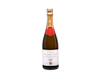
Geyerhof Hofstudien Pinot Blanc, Kremstal 2025

White Wine from Austria - Lower Austria
0 star rating 0 Reviews
Made from organically grown grapes and bottled unfiltered, this characterful pinot blanc is naturally a little hazy in the glass but all the more flavourful for it. The 2025 vintage has produced a refreshingly lower-alcohol wine with vibrant, well-integrated acidity and wonderful energy. Aromas of pine needles, fresh mint and green herbs mingle with cloudy lemon, lime and crisp apple, while a subtle sweet-almond note adds complexity. The palate is juicy, vibrant and beautifully defined, with a refreshing, almost mojito-like herbal twist that makes it irresistibly moreish. The Geyerhof estate has been in the family for 14 generations, with Maria and Josef now leading its next chapter. Organic since the 1980s, they are pushing further towards regenerative farming, supported by The Wine Society's Climate and Nature Programme, which is helping fund innovative mulching practices that improve soil health while eliminating the need for herbicides.
Price: £17.00 Bottle (£22.67/litre)
Price: £102.00 Case of 6 (£22.67/litre)
In Stock
Code: AA6321

Wine characteristics

  • White Wine
  • 2 - Dry
  • Pinot Blanc
  • 75cl
  • Drinking now
  • 10% Alcohol
  • no oak influence
  • Cork, diam
  • 440 g (Empty bottle weight)
  • Vegetarian
  • Vegan
  • Organic

Bestselling wines

Geyerhof

Being in landlocked Austria you might not expect the central edifice of a wine estate in the Kremstal to be called Schiffsmeisterhaus (Ship Master’s House) but there is such a building at the ancient Geyerhof estate.

History
This estate dates back to the time when bricks were shipped along the Danube from a factory on the estate and to this day the family crest depicts a man holding an anchor. At one time the manager of the brick factory was none other than Georg von Trapp of the Sound of Music von Trapps! The estate is mentioned in historical documents dating from 1135 and the Maier family have been owners since the 16th century. Ilse and Josef Sr are the stewards of this heritage today, ably abetted by their son Josef and his wife Maria, and collectively they oversee 23 hectares on the southern slopes of the Danube, planted to five varieties across a veritable mosaic of soil types, together with as much land again given over to other forms of farming, including animals. Across the board they farm sustainably following biodynamic practices, and have made great efforts to reintroduce to the area bird species previously thought to have been extinct. As if that wasn't enough, they try to be as carbon neutral as possible.

The wines
The grape varieties are grüner veltliner, riesling, zweigelt, weisser burgunder and gelber muskateller, and among their holdings are four sites designated Erste Lage, the equivalent of grand cru (Ried Steinleithn, Ried Gaisberg, Ried...

Being in landlocked Austria you might not expect the central edifice of a wine estate in the Kremstal to be called Schiffsmeisterhaus (Ship Master’s House) but there is such a building at the ancient Geyerhof estate.

History
This estate dates back to the time when bricks were shipped along the Danube from a factory on the estate and to this day the family crest depicts a man holding an anchor. At one time the manager of the brick factory was none other than Georg von Trapp of the Sound of Music von Trapps! The estate is mentioned in historical documents dating from 1135 and the Maier family have been owners since the 16th century. Ilse and Josef Sr are the stewards of this heritage today, ably abetted by their son Josef and his wife Maria, and collectively they oversee 23 hectares on the southern slopes of the Danube, planted to five varieties across a veritable mosaic of soil types, together with as much land again given over to other forms of farming, including animals. Across the board they farm sustainably following biodynamic practices, and have made great efforts to reintroduce to the area bird species previously thought to have been extinct. As if that wasn't enough, they try to be as carbon neutral as possible.

The wines
The grape varieties are grüner veltliner, riesling, zweigelt, weisser burgunder and gelber muskateller, and among their holdings are four sites designated Erste Lage, the equivalent of grand cru (Ried Steinleithn, Ried Gaisberg, Ried Kirchensteig and Ried Goldberg) which like the rest of their plots are farmed organically and have been since 1988, making the family pioneers in Austria. They harvest by hand and as late as they can to ensure that they get optimally ripe fruit at low yields. In the cellars their ethos is low-intervention, trusting ambient yeasts to take care of the fermentation and tweaking rather than manipulating the process. Maturation is mostly in stainless steel for purity of fruit expression, though some of the very best cuvées see oak in their 800-year-old cellars.

Environmental sustainability
Since 1988, the 23ha of vines and 27ha of arable land have been farmed according to organic principles. Since 2019, Geyerhof has also been a member of biodynamic organisation, Demeter. The company is committed to promoting biodiversity, to which end the estate is home to cattle, pigs and chickens. Over 13% of land on the estate consists of hedges and nature conservation areas. They also make use of cover crops with numerous wild herbs which offer an additional habitat for a range of useful insects in the vineyards. Concern for sustainability also reaches into the winery, with the use of solar panels to generate renewable power being one example.

Social sustainability
The biodynamic approach which Geyerhof take also includes commitment to the local community. As all picking is done by hand, the company also has a strong relationship with its workers.

Read more

2025 vintage reviews
Back to top