
“Schloss Gobelsburg Riesling, Ried Heiligenstein 1ÖTW, Kamptal 2023” is out of stock.
View original product descriptionThis is a carousel with zoom. Use the thumbnails to navigate, or jump to a slide. Use the zoom button to zoom into a image.
Sold Out


Schloss Gobelsburg Riesling, Ried Heiligenstein 1ÖTW, Kamptal 2023
White Wine from Austria - Lower Austria
Heiligenstein is a very special and historic vineyard which sits to the east of the town of Zöbing in Kamptal and is arguably the greatest single riesling vineyard in the country for its importance to Austrian wine. References to the vineyard go back as far as 1240 when it was referred to as Hellenstein due to the stony soil and exposure to the sun. Heiligenstein riesling is characterised by a balance of finesse and power, with both ripeness of fruit and significant structural acidity, thanks to its elevation up to 350 metres, both of which set them up to age for many years. Orange blossom, tangerine peel, lemony zest and ginger spice aromatics combine to draw you into the wine. The palate is generous but taut, with ginger heat adding to the complexity of the fruit. Full, classic and generous. Drink from 2026 to 2039.
Out of stock
Code: AA4791
Wine characteristics
- White Wine
- 2 - Dry
- Riesling
- 75cl
- Now to 2039
- 13.5% Alcohol
- no oak influence
- Cork, natural
Bestselling wines
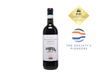
The Society's Montepulciano d'Abruzzo 2024
Italy
13% vol
Montepulciano
A 2026 Wine Champion, this cherry-laden Italian favourite is now made for us ...
Price:£8.95
Bottle
(£11.93/litre)
Price:£107.00
Case of 12
(£11.89/litre)
Les Pierres Bordes Marsanne-Viognier, Pays d'Oc 2025
France
12% vol
Marsanne
This marriage of two Rhône grape varieties from the Minervois/Saint-Chinian b...
Price:£7.95
Bottle
(£10.60/litre)
Price:£95.00
Case of 12
(£10.56/litre)

The Society's Spanish Monastrell Jumilla 2024
Spain
14% vol
Mourvedre
One of our 2026 Wine Champions, this gem from the sunsoaked south of Spain wa...
Price:£7.95
Bottle
(£10.60/litre)
Price:£95.00
Case of 12
(£10.56/litre)

Vermentino Sicilia, Mandrarossa 2025
Italy
12.5% vol
Vermentino
Our Wine Champions tasters summed it up perfectly as it swept to victory in o...
Price:£8.95
Bottle
(£11.93/litre)
Price:£53.50
Case of 6
(£11.89/litre)
The Society's Exhibition Côtes de Provence Rosé 2025
France
12.7% vol
Cinsault
Provence is the spiritual home of rosé and a style that has been perfected ov...
Price:£13.50
Bottle
(£18.00/litre)
Price:£162.00
Case of 12
(£18.00/litre)
The Society's Celebration Crémant de Loire 2023
France
12% vol
Chenin Blanc
This elegant, refined sparkling wine is made for The Wine Society by Gratien ...
Price:£13.75
Bottle
(£18.33/litre)
Price:£82.50
Case of 6
(£18.33/litre)
The Society's French Pinot Noir 2025
France
12.7% vol
Pinot Noir
A pinot to delight the senses: fresh, round and fruity with a hint of cherry ...
Price:£8.95
Bottle
(£11.93/litre)
Price:£107.00
Case of 12
(£11.89/litre)

Cuvée Laborie Rouge, Pays d'Oc 2025
France
12% vol
Carignan Grenache
A classic Languedoc blend of carignan and grenache, with a splash of merlot a...
Price:£7.95
Bottle
(£10.60/litre)
Price:£95.00
Case of 12
(£10.56/litre)

The Society's Exhibition Rioja Reserva 'Seleccion Especial' 2021
Spain
14% vol
Tempranillo
The 2021 Exhibition Rioja Reserva has been given the additional 'Selección Es...
Price:£18.50
Bottle
(£24.67/litre)
Price:£222.00
Case of 12
(£24.67/litre)

The Society's Cava Reserva Brut 2023
Spain
11.5% vol
This fragrant, appley and organic Spanish sparkling wine is produced by Sumar...
Price:£10.50
Bottle
(£14.00/litre)
Price:£63.00
Case of 6
(£14.00/litre)
Schloss Gobelsburg
Schloss Gobelsburg is an historic winery in the Kamptal wine growing region of Austria, to the north west of Vienna. It was founded in the 12th century by Cistercian monks and was, until 1995, still run by monks who made the wines here from wonderful old vineyards.
In 1996, winemaker Michael Moosbrugger took over the winemaking responsibilities on a long term lease. Moosbrugger adopted a gently revisionist attitude, changing the winemaking processes and restructuring the vineyards, but only where necessary. This thoughtful approach, for instance still using mostly natural yeasts for fermentation, allows the wines a certain freedom and the tradition of historical practices to continue.
The food friendly grüner veltiner grape makes up around half of all production, followed by about one-quarter riesling. A considerable proportion of the wines are exported and increasingly appreciated for their intrinsic food-friendly qualities. Smaller amounts of red wine are also produced here.