
This is a carousel with zoom. Use the thumbnails to navigate, or jump to a slide. Use the zoom button to zoom into a image.
Sale


The Society's Gavi 2025
White Wine from Italy - Piedmont
The Society's Gavi is sourced from old vines of the cortese grape, grown in the Piedmont’s gentle rolling hills. Crowd-pleasing and characterful, this versatile unoaked wine has won many fans over the years. Aromatic and zesty on the nose with an appetisingly dry palate offering refreshing appley fruit, it makes a great 'house' white to enjoy with food. It comes from La Battistina, a single estate where herbicides have not been used for more than a decade and pollinator-friendly cover crops are planted between the vines. Cut in spring and left as mulch, these crops help the soil hold water and protect these steep slopes from erosion. Away from the vines, 15% of the estate is wildflower meadow and another 15% is managed woodland. In the winery, water is measured daily, fermentation CO₂ is captured and reused, and solar panels provide part of the cooperative’s energy. Araldica also directly employs and trains seasonal workers, helping smaller growers access skilled labour while providing legal pay and accommodation support. All this comes in a lightweight 395g bottle. No wonder it has earned the title of Wine Society Pioneer for its efforts! Thanks to the generosity of our suppliers we're delighted to be able to offer this wine with an £21 per dozen saving until 16th November 2026.
Price:
£11.50
Bottle
(£15.33/litre)
Original price:
£138.00
Sale price:
£117.00
Case of 12
(£13.00/litre)
In Stock
Code: IT45841
Wine characteristics
- White Wine
- 1 - Bone dry
- Cortese
- 75cl
- Now to 2027
- 12% Alcohol
- no oak influence
- Screwcap
- 395 g (Empty bottle weight)
- Vegetarian
- Vegan
Bestselling wines

Duo Des Mers Sauvignon-Viognier, Vin de France 2025
France
11.5% vol
Sauvignon Blanc
Fragrant, fruity, full-flavoured southern French white, the happy marriage of...
Price:£8.25
Bottle
(£11.00/litre)
Price:£99.00
Case of 12
(£11.00/litre)

The Society's Loire Sauvignon Blanc 2025
France
12% vol
Sauvignon Blanc
Blended from across the Loire in the warm 2025 vintage The Society's Loire Sa...
Price:£8.95
Bottle
(£11.93/litre)
Price:£107.00
Case of 12
(£11.89/litre)

The Society's Rioja Crianza 2021
Spain
14.5% vol
Tempranillo
Rioja is Spain's pre-eminent wine region, renowned for its graceful, stylish ...
Price:£10.95
Bottle
(£14.60/litre)
Price:£131.00
Case of 12
(£14.56/litre)

The Society's Verdicchio Classico 2025
Italy
11.5% vol
Verdicchio
One of Italy's best buys, verdicchio makes vibrant, crisp and refreshing wine...
Price:£9.50
Bottle
(£12.67/litre)
Original price:
£114.00
Current price:
£96.00
(£10.67/litre)

Percheron Chenin Blanc-Viognier, Coastal Region 2025
South Africa
12% vol
Chenin Blanc
Popular Cape White Blend with chenin's fresh stone-fruit flavour complemented...
Price:£7.95
Bottle
(£10.60/litre)
Original price:
£47.50
Current price:
£41.50
(£9.22/litre)

Côtes-du-Rhône, Château Courac 2023
France
14.5% vol
Grenache Syrah
The 2023 vintage is juicy with plenty of red plum and ripe cherry concentrati...
Price:£11.50
Bottle
(£15.33/litre)
Price:£138.00
Case of 12
(£15.33/litre)

Baccolo Appassimento Rosso Veneto 2024
Italy
13.5% vol
Merlot
A members favourite, this popular Veneto red's opulent style is achieved by p...
Price:£9.50
Bottle
(£12.67/litre)
Price:£57.00
Case of 6
(£12.67/litre)

The Society's Barbera d'Asti Superiore 2023
Italy
14.5% vol
Barbera
This barbera is from the beautiful Cascinone vineyard in Piedmont, Italy. Bur...
Price:£9.95
Bottle
(£13.27/litre)
Original price:
£119.00
Current price:
£99.00
(£11.00/litre)
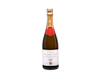
The Society's Celebration Crémant de Loire 2023
France
12% vol
Chenin Blanc
This elegant, refined sparkling wine is made for The Wine Society by Gratien ...
Price:£13.95
Bottle
(£18.60/litre)
Price:£83.50
Case of 6
(£18.56/litre)

Isola della Fiamma Grillo Sicilia, Cantine Rallo 2025
Italy
12% vol
Grillo
In 2025 yields were down in Sicily, adding to the intensity of this aromatic ...
Price:£8.95
Bottle
(£11.93/litre)
Original price:
£107.00
Current price:
£90.00
(£10.00/litre)
Araldica Vini Piemontesi
Araldica is the trading name of the successful co-operative at Castelvero in Italy’s north-western Piedmont region. It is one of the most important producers of Barbera d'Asti and Barbera d’Alba, and also makes excellent Gavi, Moscato and Prosecco. Founded in 1954 by a small group of growers, headed by their parish priest, the co-op has evolved greatly from its simple origins and now it owns the largest winery in Piedmont.
It currently has around 200 members, cultivating 900 hectares of vines throughout the region, but in particular its vineyards in the Monferrato hills are celebrated for the quality of their barbera. As the business expanded in the latter half of the 20th century, the company also acquired a modern, temperature-controlled bottling plant and warehouse, with a large capacity to store its barrels made from the region’s traditionally favoured Slovenian oak.
While Italy is generally known for its sun-baked vineyards, Piedmont is actually as far north as Bordeaux, and the nearby Alps make a marked impact on the temperatures which are much more in line with classic French regions. The hot summers are followed by very cold, often snowy winters, and the melting snow is an excellent marker of vineyard quality: the best vineyards have the fastest-melting snow because they receive the most sunshine.
The co-op members mostly grow native grape varieties such as barbera, nebbiolo and dolcetto for the reds and cortese, arneis and moscato for the whites. They also grow...