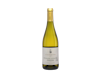
Château Ferrière, Margaux 2009 is no longer available

}

"Château Ferrière, Margaux 2009" is due back in soon

View original product description

This is a carousel with zoom. Use the thumbnails to navigate, or jump to a slide. Use the zoom button to zoom into a image.

Sold Out

Château Ferrière, Margaux 2009

Red Wine from France - Bordeaux
0 star rating 0 Reviews
A superb Margaux from the excellent 2009 vintage, this is aromatic, rich and full of flavour and charm. Made at a small property in the heart of Margaux, classified a third growth, it has been run by Claire Villars Lurton of Haut Bages Libéral since 1992.
is no longer available
Code: CM13881

Wine characteristics

  • Red Wine
  • Medium-bodied
  • Cabernet Sauvignon
  • Now to 2030
  • 13% Alcohol
  • oak used but not v. noticeable
  • Cork, natural

Bestselling wines

Cru Classe Medoc, Graves

The original and most famous wine classification came about when the organisers of the 1855 Universal Exposition of Paris wanted, naturally enough, to show the finest wines of the Bordeaux region. Brokers dealing in the wines got together and produced two classifications of the best red and sweet wines respectively, based on the selling price of the wines at that time. The list was produced very soon after a request for it from the Bordeaux Chamber of Commerce was made, strongly suggesting that there was an ‘unofficial’ hierarchy already well known to the brokers.

These Grand Cru Classé wines were ranked in five tiers and, apart from the famous promotion of Château Mouton Rothschild in 1973 and the addition of Château Cantemerle to the fourth growths soon after the classification was established, they have remained unchanged ever since. Effectively, they represent what should be the best wines of the Médoc with the one interloper, Château Haut-Brion from Pessac-Léognan in the...
The original and most famous wine classification came about when the organisers of the 1855 Universal Exposition of Paris wanted, naturally enough, to show the finest wines of the Bordeaux region. Brokers dealing in the wines got together and produced two classifications of the best red and sweet wines respectively, based on the selling price of the wines at that time. The list was produced very soon after a request for it from the Bordeaux Chamber of Commerce was made, strongly suggesting that there was an ‘unofficial’ hierarchy already well known to the brokers.

These Grand Cru Classé wines were ranked in five tiers and, apart from the famous promotion of Château Mouton Rothschild in 1973 and the addition of Château Cantemerle to the fourth growths soon after the classification was established, they have remained unchanged ever since. Effectively, they represent what should be the best wines of the Médoc with the one interloper, Château Haut-Brion from Pessac-Léognan in the Graves region.

The wines of the right bank, such as Saint-Emilion and Pomerol were not included because their selling price was not as high at that time. Five first growths sit at the head of 62 properties, all of them from the Médoc except for Château Haut-Brion in Pessac-Léognan.

Naturally enough, there have been many unofficial revisions made over the years, with expert opinions brought to bear on what promotions and demotions might have been over the years, but none of these musings, no matter how reflective of changing standards and prices they might be, will change the stratification as it stands.

The classification is as follows:
First Growths (Premiers Crus)
Château Lafite Rothschild, Pauillac; Château Latour, Pauillac; Château Margaux, Margaux; Château Haut-Brion, Pessac-Léognan ; Château Mouton Rothschild, Pauillac.

Second Growths (Deuxièmes Crus)
Château Rauzan-Ségla, Margaux; Château Rauzan-Gassies, Margaux; Château Léoville-Las Cases, Saint-Julien; Château Léoville-Poyferré, Saint-Julien; Château Léoville-Barton, Saint-Julien; Château Durfort-Vivens, Margaux; Château Gruaud-Larose, Saint-Julien; Château Lascombes, Margaux; Château Brane-Cantenac, Margaux; Château Pichon Longueville Baron, Pauillac; Château Pichon Longueville Comtesse de Lalande, Pauillac; Château Ducru-Beaucaillou, Saint-Julien; Château Cos d'Estournel, Saint-Estèphe; Château Montrose, Saint-Estèphe.

Third Growths (Troisièmes Crus)
Château Kirwan, Margaux; Château d'Issan (Margaux); Château Lagrange, Saint-Julien; Château Langoa-Barton, Saint-Julien; Château Giscours, Margaux; Château Malescot Saint Exupéry, Margaux; Château Cantenac-Brown, Margaux; Château Boyd-Cantenac, Margaux; Palmer, now Château Palmer, Margaux; Château La Lagune, Ludon (Haut-Médoc); Château Desmirail, Margaux; Château Dubignon, Margaux; Château Calon-Ségur, Saint-Estèphe; Château Ferrière, Margaux; Château Marquis d'Alesme Becker, Margaux.

Fourth Growths (Quatrièmes Crus)
Château Saint-Pierre, Saint-Julien; Château Talbot, Saint-Julien; Château Branaire-Ducru, Saint-Julien; Château Duhart-Milon, Pauillac; Château Pouget, Margaux; Château La Tour Carnet, Saint-Laurent (Haut-Médoc); Château Lafon-Rochet, Saint-Estèphe; Château Beychevelle, Saint-Julien; Château Prieuré-Lichine, Margaux; Château Marquis de Terme, Margaux.

Fifth Growths (Cinquièmes Crus)
Château Pontet-Canet, Pauillac; Château Batailley, Pauillac; Château Haut-Batailley, Pauillac; Château Grand-Puy-Lacoste, Pauillac; Château Grand-Puy-Ducasse, Pauillac; Château Lynch-Bages, Pauillac; Château Lynch-Moussas, Pauillac; Château Dauzac, Margaux; Château d'Armailhac, Pauillac; Château du Tertre, Margaux; Château Haut-Bages-Libéral, Pauillac; Château Pédesclaux, Pauillac; Château Belgrave, Saint-Laurent (Haut-Médoc); Château de Camensac, Saint-Laurent (Haut-Médoc); Château Cos Labory, Saint-Estèphe; Château Clerc-Milon, Pauillac; Château Croizet Bages, Pauillac; Château Cantemerle, Macau (Haut-Médoc).

Alongside the reds resides the classification for Sauternes and Barsac from further up river on the Garonne. There, 27 estates make up a smaller pyramid of their own, topped by the legendary Château d’Yquem, which had been classified out on its own above all the other sweet wines of the region.

Since the 1885 classification there have been other such systems established. Those of Graves and Saint-Emilion, both established much later than the 1855 and both subject to change, changes which cause no end of trouble for the authorities as estates are promoted or, more contentiously demoted and seek legal redress for the perceived injustice.

Cru Bourgeois is a further classification in the Médoc, representing some 30% of the production of the area. It was established in 1932 to represent properties outside of the Grand Cru Classé estates, though it was not officially recognised by the French government until 2003. At that time the selection of properties entitled to use the designation was revised and, unsurprisingly, fiercely contested by those who were left outside the classification, leading to a legal decision annulling the original classification while their status is re-examined by the Bordeaux Chamber of Commerce. The list has previously been revised every 12 years, but from the 2018 vintage will be accredited every five years, and is based on the history terroir, winemaking and quality control of the properties, overseen by the Alliance des Crus Bourgeios de Médoc created in the same year as the revision. It is divided into three categories: Cru Bourgeios, Cru Bourgeios Supérieur and Cru Bourgeois Exceptionnel. In theory the fact that qualification for the designation is based on quality should see improvements in the quality of wines made under its nomenclature.
Read more

Château Ferrière

Ferriere is the tiniest estate of all crus classes with only 16 hectares, mostly located close to the village of Margaux, planted with 80% cabernet sauvignon, 15% merlot and 5% cabernet franc, the latter replacing petit verdot in the blends these days. Total output is only about 4000 cases. Claire Villars-Lurton has been in charge of winemaking here since 1992 and has done much to restore a reputation that had drifted somewhat over the previous few decades. The soils are classic Médoc gravels with limestone marl. The grapes are all handpicked and the must is fermented in concrete and wooden vats, each proportional to the size of the parcel of fruit vinified in it.

The resulting wine is aged in barrique, 40% new, for 18 months. Before the Taillan group (controlled by Jacques Merlaut, Claire Villar-Lurton's grandfather) bought the property the wine was made at Château Lascombes and sold to a French restaurant chain. A second wine, Les Remparts de Ferrières is also made.

Château Ferrière takes its name from one Gabriel Ferrière, who in the middle of the 18th century rejoiced in the role of the King's hunting officer, who passed it on to his cousin Gabriel in 1777. This second Gabriel was imprisoned during the Reign of Terror that ignited during the French Revolution, only to be released on the fall of Robespierre. Having kept his head in more ways than one he rose phoenix-like to be elected mayor of Bordeaux in 1795. Since the wine has been made by Claire Villars-Lurton the...
Ferriere is the tiniest estate of all crus classes with only 16 hectares, mostly located close to the village of Margaux, planted with 80% cabernet sauvignon, 15% merlot and 5% cabernet franc, the latter replacing petit verdot in the blends these days. Total output is only about 4000 cases. Claire Villars-Lurton has been in charge of winemaking here since 1992 and has done much to restore a reputation that had drifted somewhat over the previous few decades. The soils are classic Médoc gravels with limestone marl. The grapes are all handpicked and the must is fermented in concrete and wooden vats, each proportional to the size of the parcel of fruit vinified in it.

The resulting wine is aged in barrique, 40% new, for 18 months. Before the Taillan group (controlled by Jacques Merlaut, Claire Villar-Lurton's grandfather) bought the property the wine was made at Château Lascombes and sold to a French restaurant chain. A second wine, Les Remparts de Ferrières is also made.

Château Ferrière takes its name from one Gabriel Ferrière, who in the middle of the 18th century rejoiced in the role of the King's hunting officer, who passed it on to his cousin Gabriel in 1777. This second Gabriel was imprisoned during the Reign of Terror that ignited during the French Revolution, only to be released on the fall of Robespierre. Having kept his head in more ways than one he rose phoenix-like to be elected mayor of Bordeaux in 1795. Since the wine has been made by Claire Villars-Lurton the recovery of this estate's reputation might not have been quite as remarkable as that of Monsieur Ferrière himself but it is nonetheless delightful to see.
Read more

Bordeaux Vintage 2009

At the time of our Opening Offer for 2009 claret we headed our assessment of the vintage with the simple statement: ‘A must-buy vintage’. The statement holds good and will hold good for some time to come.

It was immediately clear on tasting the first samples of the wines that 2009 was a thrilling vintage. Growers were delighted and there was excitement all round as it became clear that the vintage had been a huge success. Comparisons with previous great years were happily made and the quality of the wines stood those comparisons very well indeed. The link with the successful vintages of 1989, 1990 and even 1947 is great charm, depth of flavour and structure, excellent balance and natural sweetness and the bloom of healthy, ripe fruit. 2009 has all the virtues of such great vintages in abundance.

Comparisons with earlier vintages can mislead of course. The best growers these days take greater care in their vineyards to produce less volume but finer quality. They select more rigorously at ...
At the time of our Opening Offer for 2009 claret we headed our assessment of the vintage with the simple statement: ‘A must-buy vintage’. The statement holds good and will hold good for some time to come.

It was immediately clear on tasting the first samples of the wines that 2009 was a thrilling vintage. Growers were delighted and there was excitement all round as it became clear that the vintage had been a huge success. Comparisons with previous great years were happily made and the quality of the wines stood those comparisons very well indeed. The link with the successful vintages of 1989, 1990 and even 1947 is great charm, depth of flavour and structure, excellent balance and natural sweetness and the bloom of healthy, ripe fruit. 2009 has all the virtues of such great vintages in abundance.

Comparisons with earlier vintages can mislead of course. The best growers these days take greater care in their vineyards to produce less volume but finer quality. They select more rigorously at harvest, and in the cellar, and they understand much better than they did 20 years ago how to vinify such wonderful material. It is clear, even now, that the ‘personality’ of 2009 differs from the firm, classic 2000 or bright, fresh attack of the 2005s, fabulous though that vintage is proving to be. The charm, balance and seductiveness of the 2009s is expected to make them taste good at all stages of their development.

In vintages such as 2009 it is extremely rewarding to find outstanding quality in less well-known districts and properties. There is terrific value to be had here and much that will provide generous and sweet-fruited earlier drinking. The best wines, of course, will have great longevity.

In many ways 2009 was a perfect summer for growing grapes in Bordeaux. The even heat was different to the long, torrid, high temperatures of 2003 or the days of excessive heat in 2005, 1989 or 1990. A drop of rain was welcomed in August and apart from a short downpour on 19th and 20th September the harvest took place in ideal weather. The light throughout the year was excellent and helps to explain the high level of sugar and ripeness in the grapes. The only blot on the climatic copybook was a series of hailstorms in May which scythed through parts of St-Emilion, Entre-Deux-Mers and Margaux, in some cases drastically reducing the potential crop.

The onset of pourriture noble, which is key to greatness in Barsac and Sauternes, was rapid and abundant and some great sweet wines were made.
Read more

2009 vintage reviews
Back to top