This is a carousel with zoom. Use the thumbnails to navigate, or jump to a slide. Use the zoom button to zoom into a image.

New

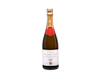
Château Grand-Puy-Lacoste, Pauillac 2016

Red Wine from France - Bordeaux
0 star rating 0 Reviews
Consistently one of the left bank’s most refined wines, the 2016 has all the elements of a classic Grand Puy Lacoste – plump, gravelly fruit, vibrant stone-fruit perfume and suave, ripe tannins. Now 10 years on, this shone up against some illustrious competition thanks to its power, density, and presence on the palate. Whilst still youthful there's plenty of pleasure to be had here, with a seductive combination of spicy oak notes with distinct gravelly minerality.
Price: £90.00 Bottle (£120.00/litre)
Price: £540.00 Case of 6 (£120.00/litre)
In Stock
Code: CM20461

Wine characteristics

  • Red Wine
  • Medium-bodied
  • Cabernet Sauvignon
  • 75cl
  • Now to 2042
  • 13.5% Alcohol
  • oak used but not v. noticeable
  • Cork, natural

Bestselling wines

Cru Classe Medoc, Graves

The original and most famous wine classification came about when the organisers of the 1855 Universal Exposition of Paris wanted, naturally enough, to show the finest wines of the Bordeaux region. Brokers dealing in the wines got together and produced two classifications of the best red and sweet wines respectively, based on the selling price of the wines at that time. The list was produced very soon after a request for it from the Bordeaux Chamber of Commerce was made, strongly suggesting that there was an ‘unofficial’ hierarchy already well known to the brokers.

These Grand Cru Classé wines were ranked in five tiers and, apart from the famous promotion of Château Mouton Rothschild in 1973 and the addition of Château Cantemerle to the fourth growths soon after the classification was established, they have remained unchanged ever since. Effectively, they represent what should be the best wines of the Médoc with the one interloper, Château Haut-Brion from Pessac-Léognan in the...
The original and most famous wine classification came about when the organisers of the 1855 Universal Exposition of Paris wanted, naturally enough, to show the finest wines of the Bordeaux region. Brokers dealing in the wines got together and produced two classifications of the best red and sweet wines respectively, based on the selling price of the wines at that time. The list was produced very soon after a request for it from the Bordeaux Chamber of Commerce was made, strongly suggesting that there was an ‘unofficial’ hierarchy already well known to the brokers.

These Grand Cru Classé wines were ranked in five tiers and, apart from the famous promotion of Château Mouton Rothschild in 1973 and the addition of Château Cantemerle to the fourth growths soon after the classification was established, they have remained unchanged ever since. Effectively, they represent what should be the best wines of the Médoc with the one interloper, Château Haut-Brion from Pessac-Léognan in the Graves region.

The wines of the right bank, such as Saint-Emilion and Pomerol were not included because their selling price was not as high at that time. Five first growths sit at the head of 62 properties, all of them from the Médoc except for Château Haut-Brion in Pessac-Léognan.

Naturally enough, there have been many unofficial revisions made over the years, with expert opinions brought to bear on what promotions and demotions might have been over the years, but none of these musings, no matter how reflective of changing standards and prices they might be, will change the stratification as it stands.

The classification is as follows:
First Growths (Premiers Crus)
Château Lafite Rothschild, Pauillac; Château Latour, Pauillac; Château Margaux, Margaux; Château Haut-Brion, Pessac-Léognan ; Château Mouton Rothschild, Pauillac.

Second Growths (Deuxièmes Crus)
Château Rauzan-Ségla, Margaux; Château Rauzan-Gassies, Margaux; Château Léoville-Las Cases, Saint-Julien; Château Léoville-Poyferré, Saint-Julien; Château Léoville-Barton, Saint-Julien; Château Durfort-Vivens, Margaux; Château Gruaud-Larose, Saint-Julien; Château Lascombes, Margaux; Château Brane-Cantenac, Margaux; Château Pichon Longueville Baron, Pauillac; Château Pichon Longueville Comtesse de Lalande, Pauillac; Château Ducru-Beaucaillou, Saint-Julien; Château Cos d'Estournel, Saint-Estèphe; Château Montrose, Saint-Estèphe.

Third Growths (Troisièmes Crus)
Château Kirwan, Margaux; Château d'Issan (Margaux); Château Lagrange, Saint-Julien; Château Langoa-Barton, Saint-Julien; Château Giscours, Margaux; Château Malescot Saint Exupéry, Margaux; Château Cantenac-Brown, Margaux; Château Boyd-Cantenac, Margaux; Palmer, now Château Palmer, Margaux; Château La Lagune, Ludon (Haut-Médoc); Château Desmirail, Margaux; Château Dubignon, Margaux; Château Calon-Ségur, Saint-Estèphe; Château Ferrière, Margaux; Château Marquis d'Alesme Becker, Margaux.

Fourth Growths (Quatrièmes Crus)
Château Saint-Pierre, Saint-Julien; Château Talbot, Saint-Julien; Château Branaire-Ducru, Saint-Julien; Château Duhart-Milon, Pauillac; Château Pouget, Margaux; Château La Tour Carnet, Saint-Laurent (Haut-Médoc); Château Lafon-Rochet, Saint-Estèphe; Château Beychevelle, Saint-Julien; Château Prieuré-Lichine, Margaux; Château Marquis de Terme, Margaux.

Fifth Growths (Cinquièmes Crus)
Château Pontet-Canet, Pauillac; Château Batailley, Pauillac; Château Haut-Batailley, Pauillac; Château Grand-Puy-Lacoste, Pauillac; Château Grand-Puy-Ducasse, Pauillac; Château Lynch-Bages, Pauillac; Château Lynch-Moussas, Pauillac; Château Dauzac, Margaux; Château d'Armailhac, Pauillac; Château du Tertre, Margaux; Château Haut-Bages-Libéral, Pauillac; Château Pédesclaux, Pauillac; Château Belgrave, Saint-Laurent (Haut-Médoc); Château de Camensac, Saint-Laurent (Haut-Médoc); Château Cos Labory, Saint-Estèphe; Château Clerc-Milon, Pauillac; Château Croizet Bages, Pauillac; Château Cantemerle, Macau (Haut-Médoc).

Alongside the reds resides the classification for Sauternes and Barsac from further up river on the Garonne. There, 27 estates make up a smaller pyramid of their own, topped by the legendary Château d’Yquem, which had been classified out on its own above all the other sweet wines of the region.

Since the 1885 classification there have been other such systems established. Those of Graves and Saint-Emilion, both established much later than the 1855 and both subject to change, changes which cause no end of trouble for the authorities as estates are promoted or, more contentiously demoted and seek legal redress for the perceived injustice.

Cru Bourgeois is a further classification in the Médoc, representing some 30% of the production of the area. It was established in 1932 to represent properties outside of the Grand Cru Classé estates, though it was not officially recognised by the French government until 2003. At that time the selection of properties entitled to use the designation was revised and, unsurprisingly, fiercely contested by those who were left outside the classification, leading to a legal decision annulling the original classification while their status is re-examined by the Bordeaux Chamber of Commerce. The list has previously been revised every 12 years, but from the 2018 vintage will be accredited every five years, and is based on the history terroir, winemaking and quality control of the properties, overseen by the Alliance des Crus Bourgeios de Médoc created in the same year as the revision. It is divided into three categories: Cru Bourgeios, Cru Bourgeios Supérieur and Cru Bourgeois Exceptionnel. In theory the fact that qualification for the designation is based on quality should see improvements in the quality of wines made under its nomenclature.
Read more

Château Grand-Puy-Lacoste

While a château has existed here since 1737, it didn’t get its current name until the 19th century, when it was acquired through marriage by the Lacoste family. The building in its present form was constructed by Pierre-Fredéric Lacoste in 1855, the same year it was designated a fifth growth in the 1855 Classification, but when the family eventually sold it in the 1930s it fell into a state of disrepair.

Its fortunes changed in 1978 when its bachelor owner, Raymon Dupin, decided he wanted to sell the château to the Borie family because they made such lovely wine at Ducru-Beaucaillou and Haut-Batailley. At that time Ducru was in the expert hands of Jean-Eugène Borie, but his son Francois-Xavier had been assisting him, and benefiting from his father’s experience, for some years. By the time the family acquired Grand-Puy-Lacoste, Francois-Xavier was ready to run his own property, so he moved into the château and lives there with his wife Marie-Hélène to this day. Since then he has made huge renovations to the existing winemaking facilities and orchestrated a great deal of replanting in the vineyard

Grand-Puy means 'big hill', a nod to the château’s location overlooking the village of Pauillac, and the vineyards surround the property. The heart of the 55 hectares of vines is two croupes (mounds) of deep, coarse gravel that is perfect for cabernet sauvignon, and indeed this makes up the majority of the plantings, which have an average age of 38 years. The vineyard is 75% cabernet...
While a château has existed here since 1737, it didn’t get its current name until the 19th century, when it was acquired through marriage by the Lacoste family. The building in its present form was constructed by Pierre-Fredéric Lacoste in 1855, the same year it was designated a fifth growth in the 1855 Classification, but when the family eventually sold it in the 1930s it fell into a state of disrepair.

Its fortunes changed in 1978 when its bachelor owner, Raymon Dupin, decided he wanted to sell the château to the Borie family because they made such lovely wine at Ducru-Beaucaillou and Haut-Batailley. At that time Ducru was in the expert hands of Jean-Eugène Borie, but his son Francois-Xavier had been assisting him, and benefiting from his father’s experience, for some years. By the time the family acquired Grand-Puy-Lacoste, Francois-Xavier was ready to run his own property, so he moved into the château and lives there with his wife Marie-Hélène to this day. Since then he has made huge renovations to the existing winemaking facilities and orchestrated a great deal of replanting in the vineyard

Grand-Puy means 'big hill', a nod to the château’s location overlooking the village of Pauillac, and the vineyards surround the property. The heart of the 55 hectares of vines is two croupes (mounds) of deep, coarse gravel that is perfect for cabernet sauvignon, and indeed this makes up the majority of the plantings, which have an average age of 38 years. The vineyard is 75% cabernet sauvignon, 20% merlot and 5% cabernet franc, though the blend of the cuvées will vary. The grand vin, typically in the region of 80% cabernet sauvignon and 20% merlot, ages for 16 to 18 months in oak, three quarters new.

Grand-Puy-Lacoste has been making beautifully balanced Pauillac with gentle, refined flavour and restraint for many years and has deservedly long been a favourite with Society members.
Though fine balance means it is enjoyable after seven years, this is a claret which gets better and better as it ages, and can do so for 12 to 30 years. The second wine, Lacoste-Borie, is an excellent buy for earlier drinking.
Read more

Bordeaux Vintage 2016 Médoc Cru Classé

Bordeaux has produced an abundance of superb wines in 2016. The reds exhibit real energy and vitality, with pure bouquets, plush silky tannins, plenty of mid-palate fruit and impressive length of flavour. Slightly lower-thanaverage alcohol levels, allied to the perfumed fruit and ripe tannins that typify the vintage, will ensure wines with exceptional balance and ageing potential. Comparisons of 2016 with previous vintages are hard to draw, and none of the owners and winemakers that we talked to during our visits were willing (or able) to suggest a similar vintage in terms of wine style. Nicolas Audebert, who makes the wines at Château Rauzan-Ségla, uses the description ‘un kilo de plumes’, or a pound of feathers for those preferring imperial measures, meaning that the wines have volume as opposed to weight. This comes closest to capturing the essence of the 2016s. Unlike last year, the successes of the 2016 vintage come from all corners of Bordeaux. Cabernets from the Médoc ripened...
Bordeaux has produced an abundance of superb wines in 2016. The reds exhibit real energy and vitality, with pure bouquets, plush silky tannins, plenty of mid-palate fruit and impressive length of flavour. Slightly lower-thanaverage alcohol levels, allied to the perfumed fruit and ripe tannins that typify the vintage, will ensure wines with exceptional balance and ageing potential. Comparisons of 2016 with previous vintages are hard to draw, and none of the owners and winemakers that we talked to during our visits were willing (or able) to suggest a similar vintage in terms of wine style. Nicolas Audebert, who makes the wines at Château Rauzan-Ségla, uses the description ‘un kilo de plumes’, or a pound of feathers for those preferring imperial measures, meaning that the wines have volume as opposed to weight. This comes closest to capturing the essence of the 2016s. Unlike last year, the successes of the 2016 vintage come from all corners of Bordeaux. Cabernets from the Médoc ripened beautifully from Margaux to Saint-Estèphe, as they did in PessacLéognan and the Graves, while both Pomerol and Saint-Emilion enjoyed a healthy, ripe merlot crop.

So-called second wines were almost uniformly excellent too. This is partly due to the fact that with cabernet sauvignon ripening so perfectly, many châteaux increased the proportion of that grape in their grand vin. The knock-on effect was that high-quality merlot grapes, normally destined for the first wine, ended up in the properties’ second wines, to their undoubted benefit.

One point of caution to note is that vineyards in some parts of Bordeaux this spring have been devastated by late frost (around 26th and 27th April), and consequently there will be little or no wine available from some châteaux in the 2017 vintage. The overused adage ‘buy now while stocks last’ may actually be relevant this year!
Read more

2016 vintage reviews
Back to top