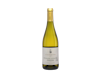
Château Grand-Puy-Lacoste, Pauillac 2019 is no longer available

}

This is a carousel with zoom. Use the thumbnails to navigate, or jump to a slide. Use the zoom button to zoom into a image.

Sold Out

Château Grand-Puy-Lacoste, Pauillac 2019

Red Wine from France - Bordeaux
0 star rating 0 Reviews
With very deep colour and bags of ripe, concentrated fruit, the 2019 grand vin from François-Xavier Borie brims with vibrancy and character. The wine has a higher proportion of cabernet sauvignon than usual this year (83% of the blend) revealing lovely structure, purity and definition. A cracker. Drink from 2030 to 2045. 14.2%
is no longer available
Code: CM24251

Wine characteristics

  • Red Wine
  • Full-bodied
  • Cabernet Sauvignon
  • 75cl
  • 2030 to 2045
  • 14.5% Alcohol
  • oak used but not v. noticeable
  • Cork, natural

Bestselling wines

Cru Classe Medoc, Graves

The original and most famous wine classification came about when the organisers of the 1855 Universal Exposition of Paris wanted, naturally enough, to show the finest wines of the Bordeaux region. Brokers dealing in the wines got together and produced two classifications of the best red and sweet wines respectively, based on the selling price of the wines at that time. The list was produced very soon after a request for it from the Bordeaux Chamber of Commerce was made, strongly suggesting that there was an ‘unofficial’ hierarchy already well known to the brokers.

These Grand Cru Classé wines were ranked in five tiers and, apart from the famous promotion of Château Mouton Rothschild in 1973 and the addition of Château Cantemerle to the fourth growths soon after the classification was established, they have remained unchanged ever since. Effectively, they represent what should be the best wines of the Médoc with the one interloper, Château Haut-Brion from Pessac-Léognan in the...
The original and most famous wine classification came about when the organisers of the 1855 Universal Exposition of Paris wanted, naturally enough, to show the finest wines of the Bordeaux region. Brokers dealing in the wines got together and produced two classifications of the best red and sweet wines respectively, based on the selling price of the wines at that time. The list was produced very soon after a request for it from the Bordeaux Chamber of Commerce was made, strongly suggesting that there was an ‘unofficial’ hierarchy already well known to the brokers.

These Grand Cru Classé wines were ranked in five tiers and, apart from the famous promotion of Château Mouton Rothschild in 1973 and the addition of Château Cantemerle to the fourth growths soon after the classification was established, they have remained unchanged ever since. Effectively, they represent what should be the best wines of the Médoc with the one interloper, Château Haut-Brion from Pessac-Léognan in the Graves region.

The wines of the right bank, such as Saint-Emilion and Pomerol were not included because their selling price was not as high at that time. Five first growths sit at the head of 62 properties, all of them from the Médoc except for Château Haut-Brion in Pessac-Léognan.

Naturally enough, there have been many unofficial revisions made over the years, with expert opinions brought to bear on what promotions and demotions might have been over the years, but none of these musings, no matter how reflective of changing standards and prices they might be, will change the stratification as it stands.

The classification is as follows:
First Growths (Premiers Crus)
Château Lafite Rothschild, Pauillac; Château Latour, Pauillac; Château Margaux, Margaux; Château Haut-Brion, Pessac-Léognan ; Château Mouton Rothschild, Pauillac.

Second Growths (Deuxièmes Crus)
Château Rauzan-Ségla, Margaux; Château Rauzan-Gassies, Margaux; Château Léoville-Las Cases, Saint-Julien; Château Léoville-Poyferré, Saint-Julien; Château Léoville-Barton, Saint-Julien; Château Durfort-Vivens, Margaux; Château Gruaud-Larose, Saint-Julien; Château Lascombes, Margaux; Château Brane-Cantenac, Margaux; Château Pichon Longueville Baron, Pauillac; Château Pichon Longueville Comtesse de Lalande, Pauillac; Château Ducru-Beaucaillou, Saint-Julien; Château Cos d'Estournel, Saint-Estèphe; Château Montrose, Saint-Estèphe.

Third Growths (Troisièmes Crus)
Château Kirwan, Margaux; Château d'Issan (Margaux); Château Lagrange, Saint-Julien; Château Langoa-Barton, Saint-Julien; Château Giscours, Margaux; Château Malescot Saint Exupéry, Margaux; Château Cantenac-Brown, Margaux; Château Boyd-Cantenac, Margaux; Palmer, now Château Palmer, Margaux; Château La Lagune, Ludon (Haut-Médoc); Château Desmirail, Margaux; Château Dubignon, Margaux; Château Calon-Ségur, Saint-Estèphe; Château Ferrière, Margaux; Château Marquis d'Alesme Becker, Margaux.

Fourth Growths (Quatrièmes Crus)
Château Saint-Pierre, Saint-Julien; Château Talbot, Saint-Julien; Château Branaire-Ducru, Saint-Julien; Château Duhart-Milon, Pauillac; Château Pouget, Margaux; Château La Tour Carnet, Saint-Laurent (Haut-Médoc); Château Lafon-Rochet, Saint-Estèphe; Château Beychevelle, Saint-Julien; Château Prieuré-Lichine, Margaux; Château Marquis de Terme, Margaux.

Fifth Growths (Cinquièmes Crus)
Château Pontet-Canet, Pauillac; Château Batailley, Pauillac; Château Haut-Batailley, Pauillac; Château Grand-Puy-Lacoste, Pauillac; Château Grand-Puy-Ducasse, Pauillac; Château Lynch-Bages, Pauillac; Château Lynch-Moussas, Pauillac; Château Dauzac, Margaux; Château d'Armailhac, Pauillac; Château du Tertre, Margaux; Château Haut-Bages-Libéral, Pauillac; Château Pédesclaux, Pauillac; Château Belgrave, Saint-Laurent (Haut-Médoc); Château de Camensac, Saint-Laurent (Haut-Médoc); Château Cos Labory, Saint-Estèphe; Château Clerc-Milon, Pauillac; Château Croizet Bages, Pauillac; Château Cantemerle, Macau (Haut-Médoc).

Alongside the reds resides the classification for Sauternes and Barsac from further up river on the Garonne. There, 27 estates make up a smaller pyramid of their own, topped by the legendary Château d’Yquem, which had been classified out on its own above all the other sweet wines of the region.

Since the 1885 classification there have been other such systems established. Those of Graves and Saint-Emilion, both established much later than the 1855 and both subject to change, changes which cause no end of trouble for the authorities as estates are promoted or, more contentiously demoted and seek legal redress for the perceived injustice.

Cru Bourgeois is a further classification in the Médoc, representing some 30% of the production of the area. It was established in 1932 to represent properties outside of the Grand Cru Classé estates, though it was not officially recognised by the French government until 2003. At that time the selection of properties entitled to use the designation was revised and, unsurprisingly, fiercely contested by those who were left outside the classification, leading to a legal decision annulling the original classification while their status is re-examined by the Bordeaux Chamber of Commerce. The list has previously been revised every 12 years, but from the 2018 vintage will be accredited every five years, and is based on the history terroir, winemaking and quality control of the properties, overseen by the Alliance des Crus Bourgeios de Médoc created in the same year as the revision. It is divided into three categories: Cru Bourgeios, Cru Bourgeios Supérieur and Cru Bourgeois Exceptionnel. In theory the fact that qualification for the designation is based on quality should see improvements in the quality of wines made under its nomenclature.
Read more

Château Grand-Puy-Lacoste

While a château has existed here since 1737, it didn’t get its current name until the 19th century, when it was acquired through marriage by the Lacoste family. The building in its present form was constructed by Pierre-Fredéric Lacoste in 1855, the same year it was designated a fifth growth in the 1855 Classification, but when the family eventually sold it in the 1930s it fell into a state of disrepair.

Its fortunes changed in 1978 when its bachelor owner, Raymon Dupin, decided he wanted to sell the château to the Borie family because they made such lovely wine at Ducru-Beaucaillou and Haut-Batailley. At that time Ducru was in the expert hands of Jean-Eugène Borie, but his son Francois-Xavier had been assisting him, and benefiting from his father’s experience, for some years. By the time the family acquired Grand-Puy-Lacoste, Francois-Xavier was ready to run his own property, so he moved into the château and lives there with his wife Marie-Hélène to this day. Since then he has made huge renovations to the existing winemaking facilities and orchestrated a great deal of replanting in the vineyard

Grand-Puy means 'big hill', a nod to the château’s location overlooking the village of Pauillac, and the vineyards surround the property. The heart of the 55 hectares of vines is two croupes (mounds) of deep, coarse gravel that is perfect for cabernet sauvignon, and indeed this makes up the majority of the plantings, which have an average age of 38 years. The vineyard is 75% cabernet...
While a château has existed here since 1737, it didn’t get its current name until the 19th century, when it was acquired through marriage by the Lacoste family. The building in its present form was constructed by Pierre-Fredéric Lacoste in 1855, the same year it was designated a fifth growth in the 1855 Classification, but when the family eventually sold it in the 1930s it fell into a state of disrepair.

Its fortunes changed in 1978 when its bachelor owner, Raymon Dupin, decided he wanted to sell the château to the Borie family because they made such lovely wine at Ducru-Beaucaillou and Haut-Batailley. At that time Ducru was in the expert hands of Jean-Eugène Borie, but his son Francois-Xavier had been assisting him, and benefiting from his father’s experience, for some years. By the time the family acquired Grand-Puy-Lacoste, Francois-Xavier was ready to run his own property, so he moved into the château and lives there with his wife Marie-Hélène to this day. Since then he has made huge renovations to the existing winemaking facilities and orchestrated a great deal of replanting in the vineyard

Grand-Puy means 'big hill', a nod to the château’s location overlooking the village of Pauillac, and the vineyards surround the property. The heart of the 55 hectares of vines is two croupes (mounds) of deep, coarse gravel that is perfect for cabernet sauvignon, and indeed this makes up the majority of the plantings, which have an average age of 38 years. The vineyard is 75% cabernet sauvignon, 20% merlot and 5% cabernet franc, though the blend of the cuvées will vary. The grand vin, typically in the region of 80% cabernet sauvignon and 20% merlot, ages for 16 to 18 months in oak, three quarters new.

Grand-Puy-Lacoste has been making beautifully balanced Pauillac with gentle, refined flavour and restraint for many years and has deservedly long been a favourite with Society members.
Though fine balance means it is enjoyable after seven years, this is a claret which gets better and better as it ages, and can do so for 12 to 30 years. The second wine, Lacoste-Borie, is an excellent buy for earlier drinking.
Read more

Bordeaux Vintage 2019

Unusual circumstances. Unusual solutions. Visits to Bordeaux at harvest time by our Bordeaux buyer Tim Sykes showed him the potential of 2019 clarets, which carefully organised tastings in spring 2020 bore out with some wonderful wines. What's more, the extraordinary circumstances of lockdown in 2020 made some châteaux offer much reduced prices. Two compelling reasons for regarding the vintage well as a buyer and drinker.

The 2019 Bordeaux vintage is unquestionably very good indeed, and for châteaux with their vines in the best terroirs, potentially excellent. Weather conditions overall were hot and dry, but the remarkable characteristic of the vintage is that the wines (both reds and white) have maintained freshness, with lovely cool, lifted fruit character. And whilst alcohol levels are above average for the past few years there is little evidence of this in the glass, thanks to a seam of fresh acidity running through the wines. Balance is the key to a great wine and the ...

Unusual circumstances. Unusual solutions. Visits to Bordeaux at harvest time by our Bordeaux buyer Tim Sykes showed him the potential of 2019 clarets, which carefully organised tastings in spring 2020 bore out with some wonderful wines. What's more, the extraordinary circumstances of lockdown in 2020 made some châteaux offer much reduced prices. Two compelling reasons for regarding the vintage well as a buyer and drinker.

The 2019 Bordeaux vintage is unquestionably very good indeed, and for châteaux with their vines in the best terroirs, potentially excellent. Weather conditions overall were hot and dry, but the remarkable characteristic of the vintage is that the wines (both reds and white) have maintained freshness, with lovely cool, lifted fruit character. And whilst alcohol levels are above average for the past few years there is little evidence of this in the glass, thanks to a seam of fresh acidity running through the wines. Balance is the key to a great wine and the 2019s are harmoniously balanced.

Tim Sykes made two trips to Bordeaux last year during the harvest, once towards the end of September to visit the right bank appellations of Saint-Emilion and Pomerol, and then again during the second week of October for the Médoc, Graves and Sauternes. Both visits revealed an abundance of small, healthy grapes arriving at the cellar doors.

In normal years Tim would make two subsequent week-long trips to Bordeaux in April to taste the new vintage, but as we all know 2020 was not a normal year. Having been forced to cancel his trips he, like Bordeaux buyers around the world, was unable to visit individual châteaux to taste barrel samples of the 2019 vintage in the normal way, so instead he was sent, and tasted, dozens of samples here in the UK. Whilst this is not the same as tasting 'sur place', it enabled him to form an opinion of the individual wines and develop a clear overall picture of the style and quality of the vintage. Barrel samples of very young wines are fragile and transporting them any distance means that there is an increased chance of them deteriorating in transit. Tim therefore requested that all samples be drawn from barrel at the beginning of the week so that I could taste towards the end of the same week, thus minimising the risk of oxidation.

The 2019 growing season was not straightforward, and vineyard managers needed to be vigilant, but those who kept on top of things were rewarded with a fine and sizeable crop. In the winery, low-temperature fermentations and gentle extractions were the keys to producing attractively balanced wines.

Read more

2019 vintage reviews
Back to top