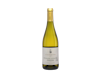
Château Langoa Barton, Saint-Julien 2009 is no longer available

}

This is a carousel with zoom. Use the thumbnails to navigate, or jump to a slide. Use the zoom button to zoom into a image.

Sold Out

Château Langoa Barton, Saint-Julien 2009

Red Wine from France - Bordeaux
0 star rating 0 Reviews
The Bartons made a slightly old-fashioned claret in 2009 that will delight traditionalists but demand their patience. A powerful Saint-Julien with depth and concentration.
is no longer available
Code: CM13831

Wine characteristics

  • Red Wine
  • Medium-bodied
  • Cabernet Merlot
  • Now to 2040
  • 13% Alcohol
  • oak used but not v. noticeable
  • Cork, natural

Bestselling wines

Cru Classe Medoc, Graves

The original and most famous wine classification came about when the organisers of the 1855 Universal Exposition of Paris wanted, naturally enough, to show the finest wines of the Bordeaux region. Brokers dealing in the wines got together and produced two classifications of the best red and sweet wines respectively, based on the selling price of the wines at that time. The list was produced very soon after a request for it from the Bordeaux Chamber of Commerce was made, strongly suggesting that there was an ‘unofficial’ hierarchy already well known to the brokers.

These Grand Cru Classé wines were ranked in five tiers and, apart from the famous promotion of Château Mouton Rothschild in 1973 and the addition of Château Cantemerle to the fourth growths soon after the classification was established, they have remained unchanged ever since. Effectively, they represent what should be the best wines of the Médoc with the one interloper, Château Haut-Brion from Pessac-Léognan in the...
The original and most famous wine classification came about when the organisers of the 1855 Universal Exposition of Paris wanted, naturally enough, to show the finest wines of the Bordeaux region. Brokers dealing in the wines got together and produced two classifications of the best red and sweet wines respectively, based on the selling price of the wines at that time. The list was produced very soon after a request for it from the Bordeaux Chamber of Commerce was made, strongly suggesting that there was an ‘unofficial’ hierarchy already well known to the brokers.

These Grand Cru Classé wines were ranked in five tiers and, apart from the famous promotion of Château Mouton Rothschild in 1973 and the addition of Château Cantemerle to the fourth growths soon after the classification was established, they have remained unchanged ever since. Effectively, they represent what should be the best wines of the Médoc with the one interloper, Château Haut-Brion from Pessac-Léognan in the Graves region.

The wines of the right bank, such as Saint-Emilion and Pomerol were not included because their selling price was not as high at that time. Five first growths sit at the head of 62 properties, all of them from the Médoc except for Château Haut-Brion in Pessac-Léognan.

Naturally enough, there have been many unofficial revisions made over the years, with expert opinions brought to bear on what promotions and demotions might have been over the years, but none of these musings, no matter how reflective of changing standards and prices they might be, will change the stratification as it stands.

The classification is as follows:
First Growths (Premiers Crus)
Château Lafite Rothschild, Pauillac; Château Latour, Pauillac; Château Margaux, Margaux; Château Haut-Brion, Pessac-Léognan ; Château Mouton Rothschild, Pauillac.

Second Growths (Deuxièmes Crus)
Château Rauzan-Ségla, Margaux; Château Rauzan-Gassies, Margaux; Château Léoville-Las Cases, Saint-Julien; Château Léoville-Poyferré, Saint-Julien; Château Léoville-Barton, Saint-Julien; Château Durfort-Vivens, Margaux; Château Gruaud-Larose, Saint-Julien; Château Lascombes, Margaux; Château Brane-Cantenac, Margaux; Château Pichon Longueville Baron, Pauillac; Château Pichon Longueville Comtesse de Lalande, Pauillac; Château Ducru-Beaucaillou, Saint-Julien; Château Cos d'Estournel, Saint-Estèphe; Château Montrose, Saint-Estèphe.

Third Growths (Troisièmes Crus)
Château Kirwan, Margaux; Château d'Issan (Margaux); Château Lagrange, Saint-Julien; Château Langoa-Barton, Saint-Julien; Château Giscours, Margaux; Château Malescot Saint Exupéry, Margaux; Château Cantenac-Brown, Margaux; Château Boyd-Cantenac, Margaux; Palmer, now Château Palmer, Margaux; Château La Lagune, Ludon (Haut-Médoc); Château Desmirail, Margaux; Château Dubignon, Margaux; Château Calon-Ségur, Saint-Estèphe; Château Ferrière, Margaux; Château Marquis d'Alesme Becker, Margaux.

Fourth Growths (Quatrièmes Crus)
Château Saint-Pierre, Saint-Julien; Château Talbot, Saint-Julien; Château Branaire-Ducru, Saint-Julien; Château Duhart-Milon, Pauillac; Château Pouget, Margaux; Château La Tour Carnet, Saint-Laurent (Haut-Médoc); Château Lafon-Rochet, Saint-Estèphe; Château Beychevelle, Saint-Julien; Château Prieuré-Lichine, Margaux; Château Marquis de Terme, Margaux.

Fifth Growths (Cinquièmes Crus)
Château Pontet-Canet, Pauillac; Château Batailley, Pauillac; Château Haut-Batailley, Pauillac; Château Grand-Puy-Lacoste, Pauillac; Château Grand-Puy-Ducasse, Pauillac; Château Lynch-Bages, Pauillac; Château Lynch-Moussas, Pauillac; Château Dauzac, Margaux; Château d'Armailhac, Pauillac; Château du Tertre, Margaux; Château Haut-Bages-Libéral, Pauillac; Château Pédesclaux, Pauillac; Château Belgrave, Saint-Laurent (Haut-Médoc); Château de Camensac, Saint-Laurent (Haut-Médoc); Château Cos Labory, Saint-Estèphe; Château Clerc-Milon, Pauillac; Château Croizet Bages, Pauillac; Château Cantemerle, Macau (Haut-Médoc).

Alongside the reds resides the classification for Sauternes and Barsac from further up river on the Garonne. There, 27 estates make up a smaller pyramid of their own, topped by the legendary Château d’Yquem, which had been classified out on its own above all the other sweet wines of the region.

Since the 1885 classification there have been other such systems established. Those of Graves and Saint-Emilion, both established much later than the 1855 and both subject to change, changes which cause no end of trouble for the authorities as estates are promoted or, more contentiously demoted and seek legal redress for the perceived injustice.

Cru Bourgeois is a further classification in the Médoc, representing some 30% of the production of the area. It was established in 1932 to represent properties outside of the Grand Cru Classé estates, though it was not officially recognised by the French government until 2003. At that time the selection of properties entitled to use the designation was revised and, unsurprisingly, fiercely contested by those who were left outside the classification, leading to a legal decision annulling the original classification while their status is re-examined by the Bordeaux Chamber of Commerce. The list has previously been revised every 12 years, but from the 2018 vintage will be accredited every five years, and is based on the history terroir, winemaking and quality control of the properties, overseen by the Alliance des Crus Bourgeios de Médoc created in the same year as the revision. It is divided into three categories: Cru Bourgeios, Cru Bourgeios Supérieur and Cru Bourgeois Exceptionnel. In theory the fact that qualification for the designation is based on quality should see improvements in the quality of wines made under its nomenclature.
Read more

Châteaux Léoville and Langoa Barton

The Bartons have been in the wine business since the 1730s, when Irish-born Thomas Barton set up a wine company, but it wasn’t until almost 100 years later that the family owned its first vineyard.

This was when Thomas’ grandson, Hugh Barton, bought the estate now known as Langoa Barton in the south of the Saint-Julien appellation in 1821. He acquired his portion of the famous Léoville estate, in the centre of Saint-Julien, in 1826. Three generations of the Barton family followed, during which time Léoville Barton was awarded second growth status and Langoa Barton a third growth in the 1855 Classification, before Ronald Barton took over the family business in the 1924.

It was Ronald who restored the vineyards after the ravages of the Second World War, and who was responsible for some of the estates’ most memorable vintages, before his nephew Anthony took over in 1983. His arrival marked a new renaissance for the properties, which have gone from strength to strength under his leadership.

Anthony still assists with the running of the estates, alongside his daughter Lilian and her children, Mélanie and Damien, who are the eighth generation of Bartons to be involved. This means these two estates have been in the hands of the same family for longer than any other classed-growth château.

The 51 hectares of Léoville and 17 hectares of Langoa are planted on gravel with a clay subsoil. Both vineyards contain a significant amount of old vines to ensure the best possible quality,...
The Bartons have been in the wine business since the 1730s, when Irish-born Thomas Barton set up a wine company, but it wasn’t until almost 100 years later that the family owned its first vineyard.

This was when Thomas’ grandson, Hugh Barton, bought the estate now known as Langoa Barton in the south of the Saint-Julien appellation in 1821. He acquired his portion of the famous Léoville estate, in the centre of Saint-Julien, in 1826. Three generations of the Barton family followed, during which time Léoville Barton was awarded second growth status and Langoa Barton a third growth in the 1855 Classification, before Ronald Barton took over the family business in the 1924.

It was Ronald who restored the vineyards after the ravages of the Second World War, and who was responsible for some of the estates’ most memorable vintages, before his nephew Anthony took over in 1983. His arrival marked a new renaissance for the properties, which have gone from strength to strength under his leadership.

Anthony still assists with the running of the estates, alongside his daughter Lilian and her children, Mélanie and Damien, who are the eighth generation of Bartons to be involved. This means these two estates have been in the hands of the same family for longer than any other classed-growth château.

The 51 hectares of Léoville and 17 hectares of Langoa are planted on gravel with a clay subsoil. Both vineyards contain a significant amount of old vines to ensure the best possible quality, giving the vines an average age of 35 years at Langoa, and 38 years at Léoville.

The aim of the estates is to achieve the typically Saint-Julien qualities of elegance and finesse rather than too much power or extraction, and this is achieved by picking the grapes at their maximum ripeness and fermenting them at controlled temperatures.

Notably, the Bartons avoided the trend to convert the cellars to stainless-steel tanks, opting instead to continue to ferment wines in the more traditional wooden vats. Although they knew stainless-steel provided temperature-control, they trusted in the wooden vats’ decades of positive results, and chose instead to wait for temperature control to be developed for wooden vats. They firmly believe this decision has paid off greatly in the long run.

Anthony’s wines have been extremely popular with members of The Society, not only for their quality, but also because he resisted the trend of his peers to raise prices substantially from one vintage to the next. This meant his prices remained at a level he considered fair, and so for many years his third-growth Langoa Barton was sold at more modest prices than many of its second growth neighbours.

Today, Léoville Barton is a superlatively good traditional Saint-Julien, combining power and finesse with the ability to age and improve over many years. A blend of 72% cabernet sauvignon, 20% merlot and 8% cabernet franc, it ages for 20 months in oak barrels (50% new) and will age for 12 to 40 years, in many cases longer.

Langoa Barton is a blend of 72% cabernet sauvignon, 25% merlot and 3% cabernet franc, which spends 18 months in oak barrels, 60% of them new. Although it tends to be ready sooner than Léoville Barton, it will age extremely well for between seven and 25 years.
Read more

Bordeaux Vintage 2009

At the time of our Opening Offer for 2009 claret we headed our assessment of the vintage with the simple statement: ‘A must-buy vintage’. The statement holds good and will hold good for some time to come.

It was immediately clear on tasting the first samples of the wines that 2009 was a thrilling vintage. Growers were delighted and there was excitement all round as it became clear that the vintage had been a huge success. Comparisons with previous great years were happily made and the quality of the wines stood those comparisons very well indeed. The link with the successful vintages of 1989, 1990 and even 1947 is great charm, depth of flavour and structure, excellent balance and natural sweetness and the bloom of healthy, ripe fruit. 2009 has all the virtues of such great vintages in abundance.

Comparisons with earlier vintages can mislead of course. The best growers these days take greater care in their vineyards to produce less volume but finer quality. They select more rigorously at ...
At the time of our Opening Offer for 2009 claret we headed our assessment of the vintage with the simple statement: ‘A must-buy vintage’. The statement holds good and will hold good for some time to come.

It was immediately clear on tasting the first samples of the wines that 2009 was a thrilling vintage. Growers were delighted and there was excitement all round as it became clear that the vintage had been a huge success. Comparisons with previous great years were happily made and the quality of the wines stood those comparisons very well indeed. The link with the successful vintages of 1989, 1990 and even 1947 is great charm, depth of flavour and structure, excellent balance and natural sweetness and the bloom of healthy, ripe fruit. 2009 has all the virtues of such great vintages in abundance.

Comparisons with earlier vintages can mislead of course. The best growers these days take greater care in their vineyards to produce less volume but finer quality. They select more rigorously at harvest, and in the cellar, and they understand much better than they did 20 years ago how to vinify such wonderful material. It is clear, even now, that the ‘personality’ of 2009 differs from the firm, classic 2000 or bright, fresh attack of the 2005s, fabulous though that vintage is proving to be. The charm, balance and seductiveness of the 2009s is expected to make them taste good at all stages of their development.

In vintages such as 2009 it is extremely rewarding to find outstanding quality in less well-known districts and properties. There is terrific value to be had here and much that will provide generous and sweet-fruited earlier drinking. The best wines, of course, will have great longevity.

In many ways 2009 was a perfect summer for growing grapes in Bordeaux. The even heat was different to the long, torrid, high temperatures of 2003 or the days of excessive heat in 2005, 1989 or 1990. A drop of rain was welcomed in August and apart from a short downpour on 19th and 20th September the harvest took place in ideal weather. The light throughout the year was excellent and helps to explain the high level of sugar and ripeness in the grapes. The only blot on the climatic copybook was a series of hailstorms in May which scythed through parts of St-Emilion, Entre-Deux-Mers and Margaux, in some cases drastically reducing the potential crop.

The onset of pourriture noble, which is key to greatness in Barsac and Sauternes, was rapid and abundant and some great sweet wines were made.
Read more

2009 vintage reviews
Back to top