}

This is a carousel with zoom. Use the thumbnails to navigate, or jump to a slide. Use the zoom button to zoom into a image.

New

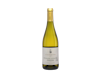
Château Léoville Barton, Saint-Julien 2017

Red Wine from France - Bordeaux
0 star rating 0 Reviews
A textbook Léoville Barton. With 93% cabernet sauvignon this year, this is a serious wine with depth and plenty of body, dark fruit and spicy vanilla perfume overlaying a framework of bright chewy tannins. 2019–2042. 13%
Price: £69.00 Bottle (£92.00/litre)
Price: £414.00 Case of 6 (£92.00/litre)
In Stock
Code: CM22241

Wine characteristics

  • Red Wine
  • Medium-bodied
  • Cabernet Sauvignon
  • 75cl
  • 2029 to 2042
  • 13% Alcohol
  • oak used but not v. noticeable
  • Cork, natural

Bestselling wines

Cru Classe Medoc, Graves

The original and most famous wine classification came about when the organisers of the 1855 Universal Exposition of Paris wanted, naturally enough, to show the finest wines of the Bordeaux region. Brokers dealing in the wines got together and produced two classifications of the best red and sweet wines respectively, based on the selling price of the wines at that time. The list was produced very soon after a request for it from the Bordeaux Chamber of Commerce was made, strongly suggesting that there was an ‘unofficial’ hierarchy already well known to the brokers.

These Grand Cru Classé wines were ranked in five tiers and, apart from the famous promotion of Château Mouton Rothschild in 1973 and the addition of Château Cantemerle to the fourth growths soon after the classification was established, they have remained unchanged ever since. Effectively, they represent what should be the best wines of the Médoc with the one interloper, Château Haut-Brion from Pessac-Léognan in the...
The original and most famous wine classification came about when the organisers of the 1855 Universal Exposition of Paris wanted, naturally enough, to show the finest wines of the Bordeaux region. Brokers dealing in the wines got together and produced two classifications of the best red and sweet wines respectively, based on the selling price of the wines at that time. The list was produced very soon after a request for it from the Bordeaux Chamber of Commerce was made, strongly suggesting that there was an ‘unofficial’ hierarchy already well known to the brokers.

These Grand Cru Classé wines were ranked in five tiers and, apart from the famous promotion of Château Mouton Rothschild in 1973 and the addition of Château Cantemerle to the fourth growths soon after the classification was established, they have remained unchanged ever since. Effectively, they represent what should be the best wines of the Médoc with the one interloper, Château Haut-Brion from Pessac-Léognan in the Graves region.

The wines of the right bank, such as Saint-Emilion and Pomerol were not included because their selling price was not as high at that time. Five first growths sit at the head of 62 properties, all of them from the Médoc except for Château Haut-Brion in Pessac-Léognan.

Naturally enough, there have been many unofficial revisions made over the years, with expert opinions brought to bear on what promotions and demotions might have been over the years, but none of these musings, no matter how reflective of changing standards and prices they might be, will change the stratification as it stands.

The classification is as follows:
First Growths (Premiers Crus)
Château Lafite Rothschild, Pauillac; Château Latour, Pauillac; Château Margaux, Margaux; Château Haut-Brion, Pessac-Léognan ; Château Mouton Rothschild, Pauillac.

Second Growths (Deuxièmes Crus)
Château Rauzan-Ségla, Margaux; Château Rauzan-Gassies, Margaux; Château Léoville-Las Cases, Saint-Julien; Château Léoville-Poyferré, Saint-Julien; Château Léoville-Barton, Saint-Julien; Château Durfort-Vivens, Margaux; Château Gruaud-Larose, Saint-Julien; Château Lascombes, Margaux; Château Brane-Cantenac, Margaux; Château Pichon Longueville Baron, Pauillac; Château Pichon Longueville Comtesse de Lalande, Pauillac; Château Ducru-Beaucaillou, Saint-Julien; Château Cos d'Estournel, Saint-Estèphe; Château Montrose, Saint-Estèphe.

Third Growths (Troisièmes Crus)
Château Kirwan, Margaux; Château d'Issan (Margaux); Château Lagrange, Saint-Julien; Château Langoa-Barton, Saint-Julien; Château Giscours, Margaux; Château Malescot Saint Exupéry, Margaux; Château Cantenac-Brown, Margaux; Château Boyd-Cantenac, Margaux; Palmer, now Château Palmer, Margaux; Château La Lagune, Ludon (Haut-Médoc); Château Desmirail, Margaux; Château Dubignon, Margaux; Château Calon-Ségur, Saint-Estèphe; Château Ferrière, Margaux; Château Marquis d'Alesme Becker, Margaux.

Fourth Growths (Quatrièmes Crus)
Château Saint-Pierre, Saint-Julien; Château Talbot, Saint-Julien; Château Branaire-Ducru, Saint-Julien; Château Duhart-Milon, Pauillac; Château Pouget, Margaux; Château La Tour Carnet, Saint-Laurent (Haut-Médoc); Château Lafon-Rochet, Saint-Estèphe; Château Beychevelle, Saint-Julien; Château Prieuré-Lichine, Margaux; Château Marquis de Terme, Margaux.

Fifth Growths (Cinquièmes Crus)
Château Pontet-Canet, Pauillac; Château Batailley, Pauillac; Château Haut-Batailley, Pauillac; Château Grand-Puy-Lacoste, Pauillac; Château Grand-Puy-Ducasse, Pauillac; Château Lynch-Bages, Pauillac; Château Lynch-Moussas, Pauillac; Château Dauzac, Margaux; Château d'Armailhac, Pauillac; Château du Tertre, Margaux; Château Haut-Bages-Libéral, Pauillac; Château Pédesclaux, Pauillac; Château Belgrave, Saint-Laurent (Haut-Médoc); Château de Camensac, Saint-Laurent (Haut-Médoc); Château Cos Labory, Saint-Estèphe; Château Clerc-Milon, Pauillac; Château Croizet Bages, Pauillac; Château Cantemerle, Macau (Haut-Médoc).

Alongside the reds resides the classification for Sauternes and Barsac from further up river on the Garonne. There, 27 estates make up a smaller pyramid of their own, topped by the legendary Château d’Yquem, which had been classified out on its own above all the other sweet wines of the region.

Since the 1885 classification there have been other such systems established. Those of Graves and Saint-Emilion, both established much later than the 1855 and both subject to change, changes which cause no end of trouble for the authorities as estates are promoted or, more contentiously demoted and seek legal redress for the perceived injustice.

Cru Bourgeois is a further classification in the Médoc, representing some 30% of the production of the area. It was established in 1932 to represent properties outside of the Grand Cru Classé estates, though it was not officially recognised by the French government until 2003. At that time the selection of properties entitled to use the designation was revised and, unsurprisingly, fiercely contested by those who were left outside the classification, leading to a legal decision annulling the original classification while their status is re-examined by the Bordeaux Chamber of Commerce. The list has previously been revised every 12 years, but from the 2018 vintage will be accredited every five years, and is based on the history terroir, winemaking and quality control of the properties, overseen by the Alliance des Crus Bourgeios de Médoc created in the same year as the revision. It is divided into three categories: Cru Bourgeios, Cru Bourgeios Supérieur and Cru Bourgeois Exceptionnel. In theory the fact that qualification for the designation is based on quality should see improvements in the quality of wines made under its nomenclature.
Read more

Châteaux Léoville and Langoa Barton

The Bartons have been in the wine business since the 1730s, when Irish-born Thomas Barton set up a wine company, but it wasn’t until almost 100 years later that the family owned its first vineyard.

This was when Thomas’ grandson, Hugh Barton, bought the estate now known as Langoa Barton in the south of the Saint-Julien appellation in 1821. He acquired his portion of the famous Léoville estate, in the centre of Saint-Julien, in 1826. Three generations of the Barton family followed, during which time Léoville Barton was awarded second growth status and Langoa Barton a third growth in the 1855 Classification, before Ronald Barton took over the family business in the 1924.

It was Ronald who restored the vineyards after the ravages of the Second World War, and who was responsible for some of the estates’ most memorable vintages, before his nephew Anthony took over in 1983. His arrival marked a new renaissance for the properties, which have gone from strength to strength under his leadership.

Anthony still assists with the running of the estates, alongside his daughter Lilian and her children, Mélanie and Damien, who are the eighth generation of Bartons to be involved. This means these two estates have been in the hands of the same family for longer than any other classed-growth château.

The 51 hectares of Léoville and 17 hectares of Langoa are planted on gravel with a clay subsoil. Both vineyards contain a significant amount of old vines to ensure the best possible quality,...
The Bartons have been in the wine business since the 1730s, when Irish-born Thomas Barton set up a wine company, but it wasn’t until almost 100 years later that the family owned its first vineyard.

This was when Thomas’ grandson, Hugh Barton, bought the estate now known as Langoa Barton in the south of the Saint-Julien appellation in 1821. He acquired his portion of the famous Léoville estate, in the centre of Saint-Julien, in 1826. Three generations of the Barton family followed, during which time Léoville Barton was awarded second growth status and Langoa Barton a third growth in the 1855 Classification, before Ronald Barton took over the family business in the 1924.

It was Ronald who restored the vineyards after the ravages of the Second World War, and who was responsible for some of the estates’ most memorable vintages, before his nephew Anthony took over in 1983. His arrival marked a new renaissance for the properties, which have gone from strength to strength under his leadership.

Anthony still assists with the running of the estates, alongside his daughter Lilian and her children, Mélanie and Damien, who are the eighth generation of Bartons to be involved. This means these two estates have been in the hands of the same family for longer than any other classed-growth château.

The 51 hectares of Léoville and 17 hectares of Langoa are planted on gravel with a clay subsoil. Both vineyards contain a significant amount of old vines to ensure the best possible quality, giving the vines an average age of 35 years at Langoa, and 38 years at Léoville.

The aim of the estates is to achieve the typically Saint-Julien qualities of elegance and finesse rather than too much power or extraction, and this is achieved by picking the grapes at their maximum ripeness and fermenting them at controlled temperatures.

Notably, the Bartons avoided the trend to convert the cellars to stainless-steel tanks, opting instead to continue to ferment wines in the more traditional wooden vats. Although they knew stainless-steel provided temperature-control, they trusted in the wooden vats’ decades of positive results, and chose instead to wait for temperature control to be developed for wooden vats. They firmly believe this decision has paid off greatly in the long run.

Anthony’s wines have been extremely popular with members of The Society, not only for their quality, but also because he resisted the trend of his peers to raise prices substantially from one vintage to the next. This meant his prices remained at a level he considered fair, and so for many years his third-growth Langoa Barton was sold at more modest prices than many of its second growth neighbours.

Today, Léoville Barton is a superlatively good traditional Saint-Julien, combining power and finesse with the ability to age and improve over many years. A blend of 72% cabernet sauvignon, 20% merlot and 8% cabernet franc, it ages for 20 months in oak barrels (50% new) and will age for 12 to 40 years, in many cases longer.

Langoa Barton is a blend of 72% cabernet sauvignon, 25% merlot and 3% cabernet franc, which spends 18 months in oak barrels, 60% of them new. Although it tends to be ready sooner than Léoville Barton, it will age extremely well for between seven and 25 years.
Read more

Bordeaux Vintage 2017

In the many years that we have been visiting Bordeaux to taste the new vintage we have never encountered a year quite like 2017. The vintage will forever be associated with the frost of 27th and 28th April, the most destructive in more than a quarter of a century, which ravaged some fine vineyards. Angludet, Grand Corbin Despagne, La Pointe and Climens, for example, heartbreakingly for them, have produced no 2017 wine. In complete contrast all the classic Médoc vineyards that sit on gravel slopes beside the Gironde have made a full crop of marvellous wine, benefitting from the precocity of vine growth which made many others vulnerable. Top châteaux of the Pomerol plateau and on the limestone ridge beside the town of Saint-Emilion were similarly largely untouched by frost damage, and produced beautifully ripe grapes.

It was a roller coaster of a year. A hot June was punctuated by a heavy dose of rain which helped the vines to endure one of the driest July and August periods ever,...
In the many years that we have been visiting Bordeaux to taste the new vintage we have never encountered a year quite like 2017. The vintage will forever be associated with the frost of 27th and 28th April, the most destructive in more than a quarter of a century, which ravaged some fine vineyards. Angludet, Grand Corbin Despagne, La Pointe and Climens, for example, heartbreakingly for them, have produced no 2017 wine. In complete contrast all the classic Médoc vineyards that sit on gravel slopes beside the Gironde have made a full crop of marvellous wine, benefitting from the precocity of vine growth which made many others vulnerable. Top châteaux of the Pomerol plateau and on the limestone ridge beside the town of Saint-Emilion were similarly largely untouched by frost damage, and produced beautifully ripe grapes.

It was a roller coaster of a year. A hot June was punctuated by a heavy dose of rain which helped the vines to endure one of the driest July and August periods ever, although, paradoxically, temperatures were below the seasonal average. More rain in September helped and enhanced maturation of cabernet sauvignon, though some earlier picked merlot was diluted. On the right bank, merlots were splendid but cabernet franc tended to suffer, and the less-planted cabernet sauvignon came into its own.

Wonderfully fragrant wines with beautiful balance, displaying intensity and fresh, long-lasting flavour. They have the structure to ensure long life, but tannins are soft and silky, so some will be approachable relatively young. Top Médocs are completely dominated by cabernet sauvignon, which is their trump card in great years. Pomerol produced glorious full fragrant but fresh merlot.

All in all 2017 was a vintage which demanded close observation, good decision making, hard work and the luck to have frost-free vines. But the happy result is a group of lovely fragrant clarets with depth of flavour and class, and a very promising future.
Read more

2017 vintage reviews
Back to top