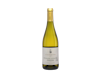
Château Mouton-Rothschild, Pauillac 2004 is no longer available

}

This is a carousel with zoom. Use the thumbnails to navigate, or jump to a slide. Use the zoom button to zoom into a image.

Sold Out

Château Mouton-Rothschild, Pauillac 2004

Red Wine from France - Bordeaux
0 star rating 0 Reviews
With a label designed by the Prince of Wales, 2004 is a classic Mouton of impressive structure and Pauillac muscularity, overlaid with fine, ripe fruit.
is no longer available
Code: CM9211

Wine characteristics

  • Red Wine
  • Medium-bodied
  • Cabernet Sauvignon
  • Now to 2030
  • 12.5% Alcohol
  • bouquet/flavour marked by oak
  • Cork, natural

Bestselling wines

Cru Classe Medoc, Graves

The original and most famous wine classification came about when the organisers of the 1855 Universal Exposition of Paris wanted, naturally enough, to show the finest wines of the Bordeaux region. Brokers dealing in the wines got together and produced two classifications of the best red and sweet wines respectively, based on the selling price of the wines at that time. The list was produced very soon after a request for it from the Bordeaux Chamber of Commerce was made, strongly suggesting that there was an ‘unofficial’ hierarchy already well known to the brokers.

These Grand Cru Classé wines were ranked in five tiers and, apart from the famous promotion of Château Mouton Rothschild in 1973 and the addition of Château Cantemerle to the fourth growths soon after the classification was established, they have remained unchanged ever since. Effectively, they represent what should be the best wines of the Médoc with the one interloper, Château Haut-Brion from Pessac-Léognan in the...
The original and most famous wine classification came about when the organisers of the 1855 Universal Exposition of Paris wanted, naturally enough, to show the finest wines of the Bordeaux region. Brokers dealing in the wines got together and produced two classifications of the best red and sweet wines respectively, based on the selling price of the wines at that time. The list was produced very soon after a request for it from the Bordeaux Chamber of Commerce was made, strongly suggesting that there was an ‘unofficial’ hierarchy already well known to the brokers.

These Grand Cru Classé wines were ranked in five tiers and, apart from the famous promotion of Château Mouton Rothschild in 1973 and the addition of Château Cantemerle to the fourth growths soon after the classification was established, they have remained unchanged ever since. Effectively, they represent what should be the best wines of the Médoc with the one interloper, Château Haut-Brion from Pessac-Léognan in the Graves region.

The wines of the right bank, such as Saint-Emilion and Pomerol were not included because their selling price was not as high at that time. Five first growths sit at the head of 62 properties, all of them from the Médoc except for Château Haut-Brion in Pessac-Léognan.

Naturally enough, there have been many unofficial revisions made over the years, with expert opinions brought to bear on what promotions and demotions might have been over the years, but none of these musings, no matter how reflective of changing standards and prices they might be, will change the stratification as it stands.

The classification is as follows:
First Growths (Premiers Crus)
Château Lafite Rothschild, Pauillac; Château Latour, Pauillac; Château Margaux, Margaux; Château Haut-Brion, Pessac-Léognan ; Château Mouton Rothschild, Pauillac.

Second Growths (Deuxièmes Crus)
Château Rauzan-Ségla, Margaux; Château Rauzan-Gassies, Margaux; Château Léoville-Las Cases, Saint-Julien; Château Léoville-Poyferré, Saint-Julien; Château Léoville-Barton, Saint-Julien; Château Durfort-Vivens, Margaux; Château Gruaud-Larose, Saint-Julien; Château Lascombes, Margaux; Château Brane-Cantenac, Margaux; Château Pichon Longueville Baron, Pauillac; Château Pichon Longueville Comtesse de Lalande, Pauillac; Château Ducru-Beaucaillou, Saint-Julien; Château Cos d'Estournel, Saint-Estèphe; Château Montrose, Saint-Estèphe.

Third Growths (Troisièmes Crus)
Château Kirwan, Margaux; Château d'Issan (Margaux); Château Lagrange, Saint-Julien; Château Langoa-Barton, Saint-Julien; Château Giscours, Margaux; Château Malescot Saint Exupéry, Margaux; Château Cantenac-Brown, Margaux; Château Boyd-Cantenac, Margaux; Palmer, now Château Palmer, Margaux; Château La Lagune, Ludon (Haut-Médoc); Château Desmirail, Margaux; Château Dubignon, Margaux; Château Calon-Ségur, Saint-Estèphe; Château Ferrière, Margaux; Château Marquis d'Alesme Becker, Margaux.

Fourth Growths (Quatrièmes Crus)
Château Saint-Pierre, Saint-Julien; Château Talbot, Saint-Julien; Château Branaire-Ducru, Saint-Julien; Château Duhart-Milon, Pauillac; Château Pouget, Margaux; Château La Tour Carnet, Saint-Laurent (Haut-Médoc); Château Lafon-Rochet, Saint-Estèphe; Château Beychevelle, Saint-Julien; Château Prieuré-Lichine, Margaux; Château Marquis de Terme, Margaux.

Fifth Growths (Cinquièmes Crus)
Château Pontet-Canet, Pauillac; Château Batailley, Pauillac; Château Haut-Batailley, Pauillac; Château Grand-Puy-Lacoste, Pauillac; Château Grand-Puy-Ducasse, Pauillac; Château Lynch-Bages, Pauillac; Château Lynch-Moussas, Pauillac; Château Dauzac, Margaux; Château d'Armailhac, Pauillac; Château du Tertre, Margaux; Château Haut-Bages-Libéral, Pauillac; Château Pédesclaux, Pauillac; Château Belgrave, Saint-Laurent (Haut-Médoc); Château de Camensac, Saint-Laurent (Haut-Médoc); Château Cos Labory, Saint-Estèphe; Château Clerc-Milon, Pauillac; Château Croizet Bages, Pauillac; Château Cantemerle, Macau (Haut-Médoc).

Alongside the reds resides the classification for Sauternes and Barsac from further up river on the Garonne. There, 27 estates make up a smaller pyramid of their own, topped by the legendary Château d’Yquem, which had been classified out on its own above all the other sweet wines of the region.

Since the 1885 classification there have been other such systems established. Those of Graves and Saint-Emilion, both established much later than the 1855 and both subject to change, changes which cause no end of trouble for the authorities as estates are promoted or, more contentiously demoted and seek legal redress for the perceived injustice.

Cru Bourgeois is a further classification in the Médoc, representing some 30% of the production of the area. It was established in 1932 to represent properties outside of the Grand Cru Classé estates, though it was not officially recognised by the French government until 2003. At that time the selection of properties entitled to use the designation was revised and, unsurprisingly, fiercely contested by those who were left outside the classification, leading to a legal decision annulling the original classification while their status is re-examined by the Bordeaux Chamber of Commerce. The list has previously been revised every 12 years, but from the 2018 vintage will be accredited every five years, and is based on the history terroir, winemaking and quality control of the properties, overseen by the Alliance des Crus Bourgeios de Médoc created in the same year as the revision. It is divided into three categories: Cru Bourgeios, Cru Bourgeios Supérieur and Cru Bourgeois Exceptionnel. In theory the fact that qualification for the designation is based on quality should see improvements in the quality of wines made under its nomenclature.
Read more

Château Mouton Rothschild

Since 1853 this Pauillac property has been in the hands of the Rothschilds, beginning with Baron Nathaniel de Rothschild (of the famous English banking family), who bought it as Château Brane-Mouton but changed the name so he could serve his own wine to his prestigious guests. Prior to this, the property’s history dates back to the 18th century, during which time it was owned by the winemaking Ségur family, including the famous Count of Ségur, who was known fondly as ‘Prince of the Vines’.

In 1922 Baron Nathaniel’s great-grandson, Baron Philippe de Rothschild, took over, marking the beginning of 65 years in charge. During this time he oversaw many of the property’s key developments, including overseeing the building of a 100-metre-long barrel hall, launching his own eponymous wine business in 1933, and, in 1945, beginning the tradition of commissioning a different contemporary artist to design the label for each new vintage of Mouton . The ‘gallery’ includes Jean Cocteau (1947), Georges Braque (1955), Salvador Dali (1958), Henry Moore (1964), Andy Warhol (1965) Marc Chagall (1970), HRH The Prince of Wales (1994) and Lucien Freud (1996).

Baron Philippe also expanded the family’s portfolio, purchasing Clerc Milon and Armhailac in the 1970s and 1980s and, in 1979, collaborating with Californian legend Robert Mondavi to launch Opus One, an American wine made with Bordeaux flair.

Given the tablet of stone that is the 1857 Classification of the Médoc, perhaps the most momentous of...
Since 1853 this Pauillac property has been in the hands of the Rothschilds, beginning with Baron Nathaniel de Rothschild (of the famous English banking family), who bought it as Château Brane-Mouton but changed the name so he could serve his own wine to his prestigious guests. Prior to this, the property’s history dates back to the 18th century, during which time it was owned by the winemaking Ségur family, including the famous Count of Ségur, who was known fondly as ‘Prince of the Vines’.

In 1922 Baron Nathaniel’s great-grandson, Baron Philippe de Rothschild, took over, marking the beginning of 65 years in charge. During this time he oversaw many of the property’s key developments, including overseeing the building of a 100-metre-long barrel hall, launching his own eponymous wine business in 1933, and, in 1945, beginning the tradition of commissioning a different contemporary artist to design the label for each new vintage of Mouton . The ‘gallery’ includes Jean Cocteau (1947), Georges Braque (1955), Salvador Dali (1958), Henry Moore (1964), Andy Warhol (1965) Marc Chagall (1970), HRH The Prince of Wales (1994) and Lucien Freud (1996).

Baron Philippe also expanded the family’s portfolio, purchasing Clerc Milon and Armhailac in the 1970s and 1980s and, in 1979, collaborating with Californian legend Robert Mondavi to launch Opus One, an American wine made with Bordeaux flair.

Given the tablet of stone that is the 1857 Classification of the Médoc, perhaps the most momentous of his achievements, however, was his 50-year campaign to reclassify Mouton Rothschild as a first growth. Never content with deuxième cru, which had resulted in the motto Premier ne puis, Second ne daigne Mouton suis (‘I can’t be First, I won’t be Second, I am Mouton’), he became the only proprietor ever to have overturned the status quo when in 1973 Mouton took its rightful place amongs the Premiers Crus. That vintage sported a hommage to the late Pablo Picasso, and the motto was subtly adjusted to Premier je suis Second je fus Mouton ne change (‘I am First, I was Second, I’m still Mouton’!).

On his death in 1988, his only child, Baroness Philippine de Rothschild, inherited the estate, a responsibility she carried with verve before her death in 2014. Under her leadership a second wine, Le Petit Mouton, was introduced in 1993, and the company further expanded to Chile In 1997, releasing the Almaviva range in partnership with Concha Y Toro. Baroness Philippine de Rothschild died in 2014 and the estate is now run by her 3 children, Camille, Philippe and Julien. Philippe is the Chairman of the Supervisory Board of Baron Philippe de Rothschild SA.

The 84 hectares of vines have an impressive average age of 44 years, and are planted on gentle hills thought to be responsible for the estate’s name, as motte and mothon are old French words meaning ‘rise’ or ‘mound’. Unsurprisingly, Mouton Rothschild vineyards have an outstanding terroir: deep, well-draining gravel soils, excellent sun exposure, and the moderating influence of both the Atlantic ocean and the Gironde estuary.

Grapes are picked and sorted by hand with the greatest attention to detail. They are then transferred to vats – the majority of which are oak, but around a third of which are stainless steel – using just gravity to ensure the grapes don’t suffer from any unnecessary handling or pressure.

The blend is typically around 80% cabernet sauvignon, 16% merlot, 3% cabernet franc and 1% petit verdot. It spends up to 20 months maturing in new oak barrels.
Read more

Bordeaux Vintage 2004

The finest wines of the 2004 vintage display the classic attributes of good claret: fragrant aroma and the harmonious, well-balanced flavour that comes from fresh and well-ripened fruit. These wines will be a great pleasure to drink now and in some cases over the next 25 years or so. After two successive harvests of relatively small volumes the vines in 2004 wanted to produce a large crop and might have been assisted in this by a slightly warmer than average season, despite a damper August than is the norm. The key to making good wines was therefore to take drastic measures in the vineyard to limit yields so that the grapes would ripen perfectly.

Vineyards on the best terroir, particularly those where the grapes ripen earlier than those of their neighbours, were at an advantage. If this advantage was compounded by fastidiousness and an up-to date approach in the vineyards then so much the better. Consequently the top names all performed particularly well, but those who took such pains...
The finest wines of the 2004 vintage display the classic attributes of good claret: fragrant aroma and the harmonious, well-balanced flavour that comes from fresh and well-ripened fruit. These wines will be a great pleasure to drink now and in some cases over the next 25 years or so. After two successive harvests of relatively small volumes the vines in 2004 wanted to produce a large crop and might have been assisted in this by a slightly warmer than average season, despite a damper August than is the norm. The key to making good wines was therefore to take drastic measures in the vineyard to limit yields so that the grapes would ripen perfectly.

Vineyards on the best terroir, particularly those where the grapes ripen earlier than those of their neighbours, were at an advantage. If this advantage was compounded by fastidiousness and an up-to date approach in the vineyards then so much the better. Consequently the top names all performed particularly well, but those who took such pains in less exalted appellations were also star performers.

The evolution of the wines has been fascinating. Though the wines of the vintage may lack the concentration of a top year the better examples have often shown an ability to age very well, perhaps a little better than original expectations, and will continue to do so.
Read more

2004 vintage reviews
Back to top