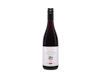
Château Pichon Longueville Comtesse de Lalande, Pauillac 2003 is no longer available

This is a carousel with zoom. Use the thumbnails to navigate, or jump to a slide. Use the zoom button to zoom into a image.

Sold Out

Château Pichon Longueville Comtesse de Lalande, Pauillac 2003

Red Wine from France - Bordeaux
0 star rating 0 Reviews
2003 was an exceptional vintage: remarkable for the extreme, hot and dry summer and producing exceptional wines for those properties which managed their vineyards and crop well. Ripe, generous and seductive, with two-thirds cabernet maintaining freshness despite the heat of the vintage.Maximum six bottles per member.
is no longer available
Code: CM8461

Wine characteristics

  • Red Wine
  • Medium-bodied
  • Cabernet Merlot
  • 75cl
  • 13% Alcohol
  • bouquet/flavour marked by oak
  • Cork, natural

Bestselling wines

Cru Classe Medoc, Graves

The original and most famous wine classification came about when the organisers of the 1855 Universal Exposition of Paris wanted, naturally enough, to show the finest wines of the Bordeaux region. Brokers dealing in the wines got together and produced two classifications of the best red and sweet wines respectively, based on the selling price of the wines at that time. The list was produced very soon after a request for it from the Bordeaux Chamber of Commerce was made, strongly suggesting that there was an ‘unofficial’ hierarchy already well known to the brokers.

These Grand Cru Classé wines were ranked in five tiers and, apart from the famous promotion of Château Mouton Rothschild in 1973 and the addition of Château Cantemerle to the fourth growths soon after the classification was established, they have remained unchanged ever since. Effectively, they represent what should be the best wines of the Médoc with the one interloper, Château Haut-Brion from Pessac-Léognan in the...
The original and most famous wine classification came about when the organisers of the 1855 Universal Exposition of Paris wanted, naturally enough, to show the finest wines of the Bordeaux region. Brokers dealing in the wines got together and produced two classifications of the best red and sweet wines respectively, based on the selling price of the wines at that time. The list was produced very soon after a request for it from the Bordeaux Chamber of Commerce was made, strongly suggesting that there was an ‘unofficial’ hierarchy already well known to the brokers.

These Grand Cru Classé wines were ranked in five tiers and, apart from the famous promotion of Château Mouton Rothschild in 1973 and the addition of Château Cantemerle to the fourth growths soon after the classification was established, they have remained unchanged ever since. Effectively, they represent what should be the best wines of the Médoc with the one interloper, Château Haut-Brion from Pessac-Léognan in the Graves region.

The wines of the right bank, such as Saint-Emilion and Pomerol were not included because their selling price was not as high at that time. Five first growths sit at the head of 62 properties, all of them from the Médoc except for Château Haut-Brion in Pessac-Léognan.

Naturally enough, there have been many unofficial revisions made over the years, with expert opinions brought to bear on what promotions and demotions might have been over the years, but none of these musings, no matter how reflective of changing standards and prices they might be, will change the stratification as it stands.

The classification is as follows:
First Growths (Premiers Crus)
Château Lafite Rothschild, Pauillac; Château Latour, Pauillac; Château Margaux, Margaux; Château Haut-Brion, Pessac-Léognan ; Château Mouton Rothschild, Pauillac.

Second Growths (Deuxièmes Crus)
Château Rauzan-Ségla, Margaux; Château Rauzan-Gassies, Margaux; Château Léoville-Las Cases, Saint-Julien; Château Léoville-Poyferré, Saint-Julien; Château Léoville-Barton, Saint-Julien; Château Durfort-Vivens, Margaux; Château Gruaud-Larose, Saint-Julien; Château Lascombes, Margaux; Château Brane-Cantenac, Margaux; Château Pichon Longueville Baron, Pauillac; Château Pichon Longueville Comtesse de Lalande, Pauillac; Château Ducru-Beaucaillou, Saint-Julien; Château Cos d'Estournel, Saint-Estèphe; Château Montrose, Saint-Estèphe.

Third Growths (Troisièmes Crus)
Château Kirwan, Margaux; Château d'Issan (Margaux); Château Lagrange, Saint-Julien; Château Langoa-Barton, Saint-Julien; Château Giscours, Margaux; Château Malescot Saint Exupéry, Margaux; Château Cantenac-Brown, Margaux; Château Boyd-Cantenac, Margaux; Palmer, now Château Palmer, Margaux; Château La Lagune, Ludon (Haut-Médoc); Château Desmirail, Margaux; Château Dubignon, Margaux; Château Calon-Ségur, Saint-Estèphe; Château Ferrière, Margaux; Château Marquis d'Alesme Becker, Margaux.

Fourth Growths (Quatrièmes Crus)
Château Saint-Pierre, Saint-Julien; Château Talbot, Saint-Julien; Château Branaire-Ducru, Saint-Julien; Château Duhart-Milon, Pauillac; Château Pouget, Margaux; Château La Tour Carnet, Saint-Laurent (Haut-Médoc); Château Lafon-Rochet, Saint-Estèphe; Château Beychevelle, Saint-Julien; Château Prieuré-Lichine, Margaux; Château Marquis de Terme, Margaux.

Fifth Growths (Cinquièmes Crus)
Château Pontet-Canet, Pauillac; Château Batailley, Pauillac; Château Haut-Batailley, Pauillac; Château Grand-Puy-Lacoste, Pauillac; Château Grand-Puy-Ducasse, Pauillac; Château Lynch-Bages, Pauillac; Château Lynch-Moussas, Pauillac; Château Dauzac, Margaux; Château d'Armailhac, Pauillac; Château du Tertre, Margaux; Château Haut-Bages-Libéral, Pauillac; Château Pédesclaux, Pauillac; Château Belgrave, Saint-Laurent (Haut-Médoc); Château de Camensac, Saint-Laurent (Haut-Médoc); Château Cos Labory, Saint-Estèphe; Château Clerc-Milon, Pauillac; Château Croizet Bages, Pauillac; Château Cantemerle, Macau (Haut-Médoc).

Alongside the reds resides the classification for Sauternes and Barsac from further up river on the Garonne. There, 27 estates make up a smaller pyramid of their own, topped by the legendary Château d’Yquem, which had been classified out on its own above all the other sweet wines of the region.

Since the 1885 classification there have been other such systems established. Those of Graves and Saint-Emilion, both established much later than the 1855 and both subject to change, changes which cause no end of trouble for the authorities as estates are promoted or, more contentiously demoted and seek legal redress for the perceived injustice.

Cru Bourgeois is a further classification in the Médoc, representing some 30% of the production of the area. It was established in 1932 to represent properties outside of the Grand Cru Classé estates, though it was not officially recognised by the French government until 2003. At that time the selection of properties entitled to use the designation was revised and, unsurprisingly, fiercely contested by those who were left outside the classification, leading to a legal decision annulling the original classification while their status is re-examined by the Bordeaux Chamber of Commerce. The list has previously been revised every 12 years, but from the 2018 vintage will be accredited every five years, and is based on the history terroir, winemaking and quality control of the properties, overseen by the Alliance des Crus Bourgeios de Médoc created in the same year as the revision. It is divided into three categories: Cru Bourgeios, Cru Bourgeios Supérieur and Cru Bourgeois Exceptionnel. In theory the fact that qualification for the designation is based on quality should see improvements in the quality of wines made under its nomenclature.
Read more

Château Pichon-Longueville Comtesse de Lalande

This second growth property gets its name from one of its earliest owners, Jacques de Pichon-Longueville, who obtained it in 1694 when he married its founder’s daughter. It was originally joined with what is now another second growth property across the road, Pichon-Longueville (which used to be known as Pichon Baron), but when Baron Joseph de Pichon-Longueville died in 1850, he split the estate in two, dividing it equally between his two sons and three daughters.

One of his daughters, Virginie, who was married to the Count of Lalande, took control of running this estate and built the château here, and this is how it got its new name, differentiating it from its neighbour.

In 1925 the family sold the property to Edouard and Louis Miailhe. Pichon Lalande’s high reputation and popularity owes much to May-Eliane de Lencquesaing – Edouard’s daughter – who inherited the property in the mid-1970s when economic circumstances were difficult. She successfully made major efforts both to improve the wine and to publicise it – indeed, she was a great ambassador.

Initially, she was helped by Michel Delon of Léoville-Las Cases, who made the wine between 1975 and 1978, and the château went on to make consistently fine wine throughout the eighties, a time when many properties were under-performing. Without an obvious family successor, May Eliane sold the estate to Champagne Roederer in 2007, and the company is now successfully beginning to make its own mark with winemaker Nicolas...
This second growth property gets its name from one of its earliest owners, Jacques de Pichon-Longueville, who obtained it in 1694 when he married its founder’s daughter. It was originally joined with what is now another second growth property across the road, Pichon-Longueville (which used to be known as Pichon Baron), but when Baron Joseph de Pichon-Longueville died in 1850, he split the estate in two, dividing it equally between his two sons and three daughters.

One of his daughters, Virginie, who was married to the Count of Lalande, took control of running this estate and built the château here, and this is how it got its new name, differentiating it from its neighbour.

In 1925 the family sold the property to Edouard and Louis Miailhe. Pichon Lalande’s high reputation and popularity owes much to May-Eliane de Lencquesaing – Edouard’s daughter – who inherited the property in the mid-1970s when economic circumstances were difficult. She successfully made major efforts both to improve the wine and to publicise it – indeed, she was a great ambassador.

Initially, she was helped by Michel Delon of Léoville-Las Cases, who made the wine between 1975 and 1978, and the château went on to make consistently fine wine throughout the eighties, a time when many properties were under-performing. Without an obvious family successor, May Eliane sold the estate to Champagne Roederer in 2007, and the company is now successfully beginning to make its own mark with winemaker Nicolas Glumineau.

A curiosity of Pichon Lalande is that nine of its 65 hectares actually lie in Saint-Julien: the vines are planted at the very south of the Pauillac appellation, bordering Saint-Julien, on Gunz gravel over clay.

The wine is fermented in stainless steel vats before blending: the first selection becomes the grand vin, and the second selection becomes Réserve de la Comtesse, the estate’s long-standing second wine. The blend of the grand vin is 60% cabernet sauvignon, 30% merlot and 5% each of cabernet franc and petit verdot, which spends 18 months in oak barrels, half of them new. It can age for between 10 and 40 years.

At its best, Pichon Lalande is a beautifully harmonious wine: elegant, fragrant and seductive as much as powerful, in contrast to the denser, more majestic Pichon across the road.
Read more

Bordeaux Vintage 2003

2003 is an extraordinary vintage. You must return to vintages like 1949 or 1947 to find anything approaching the scorching heat of June, July and August 2003. There has been huge progress in vineyard and cellar understanding since then, and indeed since the hot summer of 1989 which is perhaps the closest vintage in style. At their best, 2003 clarets have a wonderful sweet, ripe fruit backed with power. While it is true that some lesser wines will need drinking up early many more have the structure to cellar well for many years yet.

Growers with deep knowledge of their vineyard, sure instincts, imagination and the initiative to adapt performed predictably well. Some triumphed because they read the vintage well from the start. Others rushed back from holidays at the urging of friends when the weather was blazing in August. Those with the imagination and resources to obtain a means of cooling the grapes on arrival at the winery as well as to sort the grapes before they went to the press...
2003 is an extraordinary vintage. You must return to vintages like 1949 or 1947 to find anything approaching the scorching heat of June, July and August 2003. There has been huge progress in vineyard and cellar understanding since then, and indeed since the hot summer of 1989 which is perhaps the closest vintage in style. At their best, 2003 clarets have a wonderful sweet, ripe fruit backed with power. While it is true that some lesser wines will need drinking up early many more have the structure to cellar well for many years yet.

Growers with deep knowledge of their vineyard, sure instincts, imagination and the initiative to adapt performed predictably well. Some triumphed because they read the vintage well from the start. Others rushed back from holidays at the urging of friends when the weather was blazing in August. Those with the imagination and resources to obtain a means of cooling the grapes on arrival at the winery as well as to sort the grapes before they went to the press were among those who succeeded. This was helpful because during the heatwave in July and August the vines often shut down for a breather to maintain moisture in the plant. This meant that sugar levels could be high before phenolic maturity was reached. Evaporation and sunburn were more of a problem than drought, because winter rains and some summer showers kept the roots supplied with enough moisture to keep going. With such high natural sugar and tannin in the grapes many methods employed as the norm in other vintages, such as long fermentation, frequent pumping over and bleeding of the vats, were unnecessary.

A famous terroir is undoubtedly an asset but in a vintage like 2003 many humbler districts were given a starring role. Gorgeous wines were made in areas like Entre-Deux-Mers, Fronsac, Lussac, Côtes de Francs and then Premières Côtes where soils are normally cooler. The more famous areas with deeper clay soils, such as St.Estèphe and Pauillac, were also favoured. Thos areas of St.Emilion and Pomerol with more clay than gravel or sand also performed best.

There are blockbusters that will survive for the grandchildren, and there are charming wines to drink up earlier, and then there are wines that, rather like Goldilocks’ porridge, are just right.

Sauternes and Barsac had a great vintage in 2003 and produced luscious and opulent wines almost across the board.
Read more

2003 vintage reviews
Back to top