This is a carousel with zoom. Use the thumbnails to navigate, or jump to a slide. Use the zoom button to zoom into a image.

New

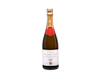
Comte Armand, Pommard Premier Cru Clos des Epeneaux 2019

Red Wine from France - Burgundy
0 star rating 0 Reviews
A wine of great concentration of flavour with sweet tannins but with no excess ripeness or jamminess. This is a blend of the ‘young vines` cuvée (from 35-year-old vines), one of 55-65 years old, another of 75 years old, then 85-92 years old and the press wine. Drink from 2030 to 2040.
Price: £100.00 Bottle (£133.33/litre)
Price: £600.00 Case of 6 (£133.33/litre)
In Stock
Code: BU77411

Wine characteristics

  • Red Wine
  • Full-bodied
  • Pinot Noir
  • 75cl
  • 2030 to 2040
  • 14.5% Alcohol
  • no oak influence
  • Cork, natural

Bestselling wines

Côte de Beaune

The Côte de Beaune runs from Ladoix-Serrigny in the north to Cheilly lè Maranges in the south, on the southern escarpment of the Côte d’Or. Beaune is the town at its heart. The most famous wines of the area are white, but many excellent reds are produced.

The soils of the area are predominantly mixtures of clay and limestone of various types, which is excellent for drainage but also retention of water. The hillsides here, split and riven by streams and side-valleys, provide a number of meso- and microclimates as well as various aspects ranging from east-facing to south and south-west facing. The best sites are neither at the top or the bottom of these slopes where the soils are too impoverished or too fertile respectively. More generic wines are produced at the top and bottom of these slopes, with the Premiers Crus and Grand Crus in a band running along the upper middle. Soils with more limestone suit chardonnay more than pinot, hence the number of famous white burgundies produced...
The Côte de Beaune runs from Ladoix-Serrigny in the north to Cheilly lè Maranges in the south, on the southern escarpment of the Côte d’Or. Beaune is the town at its heart. The most famous wines of the area are white, but many excellent reds are produced.

The soils of the area are predominantly mixtures of clay and limestone of various types, which is excellent for drainage but also retention of water. The hillsides here, split and riven by streams and side-valleys, provide a number of meso- and microclimates as well as various aspects ranging from east-facing to south and south-west facing. The best sites are neither at the top or the bottom of these slopes where the soils are too impoverished or too fertile respectively. More generic wines are produced at the top and bottom of these slopes, with the Premiers Crus and Grand Crus in a band running along the upper middle. Soils with more limestone suit chardonnay more than pinot, hence the number of famous white burgundies produced here.

The climate here is semi-continental, though northerly winds can temper a hot summer while warmer winds from the south can bring warmth. Westerly winds that ultimately originate in the Atlantic can bring rain but at its worst may deliver devastating hail in incredibly localised storms. There is a degree of unpredictability about vintages in Burgundy.

Pinot noir and chardonnay are the two permitted grapes of any significance, though Aligoté is grown occasionally for crisp, mouth-watering whites that are often used to make kir, and some generic Bourgogne or Crémant can be made with pinot blanc, pinot gris and beurrot can be made.

The appellations to be found in the Côte de Beaune are as follows: Ladoix, Pernand-Vergelesses, Aloxe-Corton , Corton, Corton-Charlemagne, Chorey-lès-Beaune, Savigny-lès Beaune, Beaune, Pommard, Volnay, Monthélie, Auxey-Duresses, Saint-Romain, Meursault, Saint-Aubin, Puligny-Montrachet, Chassagne-Montrachet, Santenay and Maranges

Côte de Beaune-Villages and Bourgogne-Hautes Côtes de Beaune are also made. The former is solely for red wines and the latter includes some whites as well. Both are mostly from vineyards on the top of the escarpment and some represent good value for early drinking Burgundy.

Côte de Beaune wines are generally lighter than those from the Côte de Nuits. Beaunes are soft and round, Volnays fine and silky. Pommards are the exception: due to more clay in the soil, they can be notably tannic and in need of considerable bottle age. The greatest of all white Burgundies, Le Montrachet, is made here between Chassagne and Puligny.
Read more

Domaine Comte Armand

This domaine is named after its most prized and famous asset, the premier cru Clos des Epeneaux vineyard which is run as a monopole, ie a vineyard wholly owned by a grower or domaine. The vineyard was created in the late 19th century by Nicholas Marey, sitting astride two existing vineyards, the Petits Epenots and Grand Epenots sites. The family of Comte Armand acquired control of the plot through marriage in 1824 and have owned it ever since.

It is a true Clos, enclosed by a wall which embraces vines aged between 20 years and more than 80 years of age planted to an unusually high density of 12,500 vines per hectare. It is biodynamically farmed and harvested by hand before sorting at the winery. Together with the Rugiens vineyard it is the most prestigious of Pommard lieu-dits and from 1999 was managed by the skilled and passionate advocate of biodynamism, Benjamin Leroux before he handed over to Paul Zinetti.

Winemaking is straightforward with the intention of letting all the hard work in the vineyard shine through in the quality and characteristics of the fruit. Natural yeasts ferment the juice following a cool maceration, and post-fermentation there is a further maceration that varies in length depending on the vintage and the wine. Oak is 80% new for the wines of the Clos but village wines may see very little or no oak at all. Time in oak may be 18-24 months depending on the designation. The youngest vines in the Clos are used to make Pommard 1er cru.

In addition to the...
This domaine is named after its most prized and famous asset, the premier cru Clos des Epeneaux vineyard which is run as a monopole, ie a vineyard wholly owned by a grower or domaine. The vineyard was created in the late 19th century by Nicholas Marey, sitting astride two existing vineyards, the Petits Epenots and Grand Epenots sites. The family of Comte Armand acquired control of the plot through marriage in 1824 and have owned it ever since.

It is a true Clos, enclosed by a wall which embraces vines aged between 20 years and more than 80 years of age planted to an unusually high density of 12,500 vines per hectare. It is biodynamically farmed and harvested by hand before sorting at the winery. Together with the Rugiens vineyard it is the most prestigious of Pommard lieu-dits and from 1999 was managed by the skilled and passionate advocate of biodynamism, Benjamin Leroux before he handed over to Paul Zinetti.

Winemaking is straightforward with the intention of letting all the hard work in the vineyard shine through in the quality and characteristics of the fruit. Natural yeasts ferment the juice following a cool maceration, and post-fermentation there is a further maceration that varies in length depending on the vintage and the wine. Oak is 80% new for the wines of the Clos but village wines may see very little or no oak at all. Time in oak may be 18-24 months depending on the designation. The youngest vines in the Clos are used to make Pommard 1er cru.

In addition to the Clos des Epeneaux the family also own vineyards in Volnay and Auxey-Duresses, and both village and premier cru wines are made.
Read more

2019 vintage reviews
Back to top