}

This is a carousel with zoom. Use the thumbnails to navigate, or jump to a slide. Use the zoom button to zoom into a image.

Low stock

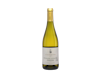
Jurtschitsch Riesling Ried Heiligenstein 1öTW, Kamptal 2024

White Wine from Austria - Lower Austria
0 star rating 0 Reviews
An exceptional-value riesling from one of the world’s greatest sites let alone Austria's, with citrus, peach and mineral depth. this is, frankly, a steal. Ried Heiligenstein is one of the world’s greatest riesling sites, and this wine offers remarkable value for such a prestigious plot. The terraced hillside, facing south and south-west at elevations of 210 to 350 meters, benefits from soils rich in reddish-brown sandstones and feldspars, imparting a distinctive mineral quality to the wine. The 2024 riesling opens with bright citrus aromas, complemented by hints of peach and a touch of petrol, reflecting the vineyard’s age and soil complexity. On the palate, it is fresh and elegant, with lively acidity supporting ripe fruit and mineral depth. Offering excellent value, this dry white delivers the essence of one of the world’s best riesling sites at a fraction of the price of more expensive, albeit more concentrated, offerings. Drink from 2026 to 2037.
Price: £28.00 Bottle (£37.33/litre)
Price: £168.00 Case of 6 (out of stock)
Low stock
Code: AA5481

Wine characteristics

  • White Wine
  • 2 - Dry
  • Riesling
  • 75cl
  • Now to 2037
  • 12.5% Alcohol
  • no oak influence
  • Cork, natural
  • 440 g (Empty bottle weight)
  • Vegetarian
  • Vegan
  • Organic

Bestselling wines

Jurtschitsch

Alwin and Stefanie Jurtschitsch are the new generation in charge at this family-owned estate in Langenlois in the Kamptal region of Austria, having taken over from Alwin’s father Edwin and uncles Paul and Charles. The couple have travelled and worked extensively in France, Australia and New Zealand, experiences which have given them a fresh perspective on their work. They have brought this to bear on both the vineyards and cellar at Jutschitsch, whilst respecting the traditions and heritage of the family estate and the enormous progress made over many years, particularly by Alwin's father and uncles.

They began by putting the ecological principles that had been applied to viticulture and winemaking since the 1970s on an even broader but firmer footing, cutting yields and reducing the sources of their fruit to use only the very best vineyard sites, thus ensuring that only their finest grapes made it into the vats.

It is an uncompromising approach that meant ignoring some of their vineyards, but one that is paying dividends in terms of wine quality.

Alwin believes that the best wines are the result of the care taken in the vineyard, with as little interference as one can get away with in the cellar, so that his role might be described as a subtle blend of farmer and scientist, always trying to understand the soils, vines and winemaking processes as best he can in order to allow the vineyards their fullest expression.

Examples of this approach are the sole use of native...

Alwin and Stefanie Jurtschitsch are the new generation in charge at this family-owned estate in Langenlois in the Kamptal region of Austria, having taken over from Alwin’s father Edwin and uncles Paul and Charles. The couple have travelled and worked extensively in France, Australia and New Zealand, experiences which have given them a fresh perspective on their work. They have brought this to bear on both the vineyards and cellar at Jutschitsch, whilst respecting the traditions and heritage of the family estate and the enormous progress made over many years, particularly by Alwin's father and uncles.

They began by putting the ecological principles that had been applied to viticulture and winemaking since the 1970s on an even broader but firmer footing, cutting yields and reducing the sources of their fruit to use only the very best vineyard sites, thus ensuring that only their finest grapes made it into the vats.

It is an uncompromising approach that meant ignoring some of their vineyards, but one that is paying dividends in terms of wine quality.

Alwin believes that the best wines are the result of the care taken in the vineyard, with as little interference as one can get away with in the cellar, so that his role might be described as a subtle blend of farmer and scientist, always trying to understand the soils, vines and winemaking processes as best he can in order to allow the vineyards their fullest expression.

Examples of this approach are the sole use of native yeasts found in the vineyards to ferment the wines, reductions in sulphur dioxide in winemaking and the introduction of a concrete egg-shaped vat for maturation of some wines alongside the large foudres that have been traditionally used. They are now among the foremost producers of Austria as a result.

Read more

2024 vintage reviews
Back to top