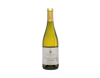
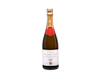
“Geyerhof StockWerk Rosé, Kremstal 2025” is out of stock.

View original product description

This is a carousel with zoom. Use the thumbnails to navigate, or jump to a slide. Use the zoom button to zoom into a image.

Sold Out

Geyerhof StockWerk Rosé, Kremstal 2025

Rose Wine from Austria - Lower Austria
0 star rating 0 Reviews
A delicate pale pink, elegant, stylish, inviting and fresh, with apricot, redcurrant and meadow-flower aromas and subtle mineral lift. Dry, light, refreshing, wonderfully balanced, brightly fruity and effortlessly drinkable. Perfect for warm summer days, this pairs brilliantly with Mediterranean mezze, grilled prawns with lemon and herbs, or a simple tomato and burrata salad. Whether enjoyed on its own or with food, it’s an irresistible rosé that captures the essence of Austrian summer in every sip. Winners of funding from our Climate and Nature Programme and a Wine Society Pioneer for their eco-friendly practises, Geyerhof is a member of biodynamic organisation, Demeter, and the first winery in Austria to achieve Agro-forestry certification, which requires that trees be planted and interact with the vineyards and crops. They are committed to biodiversity and the estate is home to cattle, pigs and chickens. Over 13% of their land is planted with hedges and nature conservation areas, while cover crops are many wild herbs and flowers offering an additional habitat for useful insects while naturally breaking up the soil. There are breeding holes for owls and birds, a small lake has been made for frogs and snakes, and there are 8-hectares of biodiversity areas. Horses are used in the vineyard to avoid soil compaction. They don’t use fertilisers and don't irrigate.
Out of stock
Code: AA5901

Wine characteristics

  • Rose Wine
  • 2 - Dry
  • Zweigelt
  • 75cl
  • Now to 2027
  • 11.5% Alcohol
  • no oak influence
  • Screwcap
  • 410 g (Empty bottle weight)
  • Vegetarian
  • Vegan
  • Organic
  • Biodynamic certified

Bestselling wines

Geyerhof

Being in landlocked Austria you might not expect the central edifice of a wine estate in the Kremstal to be called Schiffsmeisterhaus (Ship Master’s House) but there is such a building at the ancient Geyerhof estate.

History
This estate dates back to the time when bricks were shipped along the Danube from a factory on the estate and to this day the family crest depicts a man holding an anchor. At one time the manager of the brick factory was none other than Georg von Trapp of the Sound of Music von Trapps! The estate is mentioned in historical documents dating from 1135 and the Maier family have been owners since the 16th century. Ilse and Josef Sr are the stewards of this heritage today, ably abetted by their son Josef and his wife Maria, and collectively they oversee 23 hectares on the southern slopes of the Danube, planted to five varieties across a veritable mosaic of soil types, together with as much land again given over to other forms of farming, including animals. Across the board they farm sustainably following biodynamic practices, and have made great efforts to reintroduce to the area bird species previously thought to have been extinct. As if that wasn't enough, they try to be as carbon neutral as possible.

The wines
The grape varieties are grüner veltliner, riesling, zweigelt, weisser burgunder and gelber muskateller, and among their holdings are four sites designated Erste Lage, the equivalent of grand cru (Ried Steinleithn, Ried Gaisberg, Ried...

Being in landlocked Austria you might not expect the central edifice of a wine estate in the Kremstal to be called Schiffsmeisterhaus (Ship Master’s House) but there is such a building at the ancient Geyerhof estate.

History
This estate dates back to the time when bricks were shipped along the Danube from a factory on the estate and to this day the family crest depicts a man holding an anchor. At one time the manager of the brick factory was none other than Georg von Trapp of the Sound of Music von Trapps! The estate is mentioned in historical documents dating from 1135 and the Maier family have been owners since the 16th century. Ilse and Josef Sr are the stewards of this heritage today, ably abetted by their son Josef and his wife Maria, and collectively they oversee 23 hectares on the southern slopes of the Danube, planted to five varieties across a veritable mosaic of soil types, together with as much land again given over to other forms of farming, including animals. Across the board they farm sustainably following biodynamic practices, and have made great efforts to reintroduce to the area bird species previously thought to have been extinct. As if that wasn't enough, they try to be as carbon neutral as possible.

The wines
The grape varieties are grüner veltliner, riesling, zweigelt, weisser burgunder and gelber muskateller, and among their holdings are four sites designated Erste Lage, the equivalent of grand cru (Ried Steinleithn, Ried Gaisberg, Ried Kirchensteig and Ried Goldberg) which like the rest of their plots are farmed organically and have been since 1988, making the family pioneers in Austria. They harvest by hand and as late as they can to ensure that they get optimally ripe fruit at low yields. In the cellars their ethos is low-intervention, trusting ambient yeasts to take care of the fermentation and tweaking rather than manipulating the process. Maturation is mostly in stainless steel for purity of fruit expression, though some of the very best cuvées see oak in their 800-year-old cellars.

Environmental sustainability
Since 1988, the 23ha of vines and 27ha of arable land have been farmed according to organic principles. Since 2019, Geyerhof has also been a member of biodynamic organisation, Demeter. The company is committed to promoting biodiversity, to which end the estate is home to cattle, pigs and chickens. Over 13% of land on the estate consists of hedges and nature conservation areas. They also make use of cover crops with numerous wild herbs which offer an additional habitat for a range of useful insects in the vineyards. Concern for sustainability also reaches into the winery, with the use of solar panels to generate renewable power being one example.

Social sustainability
The biodynamic approach which Geyerhof take also includes commitment to the local community. As all picking is done by hand, the company also has a strong relationship with its workers.

Read more

The Times

Austrian rosé is in vogue and this glorious zweigelt grape pink smoulders with lively, spice box-scented vim.

Jane MacQuitty

Decanter

Bright and expressive Zweigelt rosé, low in alcohol but generous in aroma and freshness. The red plum, loquat, wild strawberry and cranberry fruit is layered with wild flowers and cherry leafs, for a...
Bright and expressive Zweigelt rosé, low in alcohol but generous in aroma and freshness. The red plum, loquat, wild strawberry and cranberry fruit is layered with wild flowers and cherry leafs, for a playful sweet & savoury contrast. A subtle sprinkle of saffron adds an edgy twist to the finish.
Read more

Ines Salpico

JancisRobinson.com

A breakfast bowl of blood orange and ruby grapefruit. Fabulously livelyacidity, lip-smacking fruit. Really vital with a nip of brine on the finish. Good Value. JancisRobinson.com

Tamlyn Currin

2025 vintage reviews
2024 vintage reviews
2023 vintage reviews
Back to top