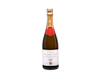
Grignan-les-Adhémar, Delas 2018 is no longer available

This is a carousel with zoom. Use the thumbnails to navigate, or jump to a slide. Use the zoom button to zoom into a image.

Sold Out

Grignan-les-Adhémar, Delas 2018

Red Wine from France - Rhone
0 star rating 0 Reviews
A delicious grenache-syrah blend from the Tricastin at the northern end of the southern Rhône. Amazingly good value from on-form Delas, this is dark and vibrant with crunchy blackberry and cherry fruit.
is no longer available
Code: RH53881

Wine characteristics

  • Red Wine
  • Medium-bodied
  • Grenache Syrah
  • 13.5% Alcohol
  • no oak influence
  • Cork, natural

Bestselling wines

Southern Rhône (excluding Chateauneuf)

Producing over 3.5m hl (hectolitres), this is the second biggest region for production of appellation contrôlée wine in France after Bordeaux. Most is red, though production of both white and pink is growing. Some 20 grape varieties are planted in the south though one in particular, Grenache, gives the region as a whole its identity: generosity, body, weight and a definite tendency to making big wines. More than half of the production is of Côtes-du-Rhône with the best sold as Côtes-du-Rhône Villages. Better still are the so-called crus led by Châteauneuf-du-Pape itself.

Châteauneuf-du-Pape: This large area to the north of Avignon makes the best wines of the south. Reds tend to be grenache based with syrah, mourvèdre and counoise also used. Few wines combine immense strength with perfect elegance quite so convincingly. Word of caution: Châteauneuf produces as much wine as the whole of the northern Rhône put together. A third is very good, a third acceptable and the last third,...
Producing over 3.5m hl (hectolitres), this is the second biggest region for production of appellation contrôlée wine in France after Bordeaux. Most is red, though production of both white and pink is growing. Some 20 grape varieties are planted in the south though one in particular, Grenache, gives the region as a whole its identity: generosity, body, weight and a definite tendency to making big wines. More than half of the production is of Côtes-du-Rhône with the best sold as Côtes-du-Rhône Villages. Better still are the so-called crus led by Châteauneuf-du-Pape itself.

Châteauneuf-du-Pape: This large area to the north of Avignon makes the best wines of the south. Reds tend to be grenache based with syrah, mourvèdre and counoise also used. Few wines combine immense strength with perfect elegance quite so convincingly. Word of caution: Châteauneuf produces as much wine as the whole of the northern Rhône put together. A third is very good, a third acceptable and the last third, undrinkable.

Right bank: Villages include Tavel (rosé only) Lirac, Saint-Gervais and Laudun. There is more rain here but it is also hot and grapes are therefore early ripening. Most of the area lies in the département of the Gard and stretches from the river westwards towards Nîmes where at some ill-defined line in the soil, the Rhône becomes the Languedoc. This is an area that has much improved over the years and has become a valuable source for very fine, concentrated syrah wines in particular.

A little further on are the Costieres de Nimes, a large area of upland plateau, south-east of Nîmes. For the moment the Costières produces good everyday wines of good quality but there is potential to do much more.

Northern hills: There are fresh sub-alpine breezes at work here and as a result the wines often have a distinct freshness too. Just north of Orange is the largely wooded and isolated Massif d'Uchaux. Many of its star producers here are able to farm organically.

The three 'Vs' : Valréas, Visan and Vinsobres: These are three top neighbouring villages (with a 4th, Saint-Maurice broadly similar to Vinsobres). Vinsobres has full cru status and makes superb wine. Best names include Perrin, now the largest land owner and Domaine Jaume whose wines have been charming members since the 1979 vintage.

Valréas and Visan are planted on the same hill but tend to look north. Emmanuel Bouchard is one of the top names in Valréas. Adrien Fabre makes both outstanding examples of both Visan and Saint-Maurice.

Tricastin/Grignan-lès-Adhémar - The Tricastin is a much neglected part of the Rhône and coming down from the northern Rhône, these are the first vines one sees. It's a relatively cool area, far too cold for growing mourvèdre successfully, but the whites do very well and so does the syrah grape. The area has seen a name change as Tricastin is also the name of a power station on the river. The new name for the wines (which doesn't exactly trip off the tongue), is Grignan-lès-Adhémar.

Central hills - This includes the villages of Cairanne and Rasteau along with neighbouring Roaix. Big full-bodied wines, grenache dominated. Rasteau is all power and might while Cairanne is more deicate.

Plan de Dieu - Large flat expanse of pudding stones that seem to stretch as far as the eye can see, in the middle of which there is an airfield, (largely built for the Luftwaffe) surrounded by vines. Full-bodied style. Excellent for mourvèdre. Jaboulet are very good here as is the Meffre family.

Eastern fringes - Set against an iconic landscape with Mont Ventoux and the craggy Dentelles de Montmirail as the backdrop, some of these hillsides were first planted by the Romans and include some of the best-known names in the Rhône Valley.

Gigondas: Mountain wine, late harvested, always dramatic and very full-bodied though never coarse or overweight. These are generous reds, capable of long ageing. A little rosé is also made.

Vacqueyras: Next door to Gigondas yet different. Fruitier, a shade less powerful and more obviously charming:

Beaumes de Venise: The red is as full as Gigondas but rounder and less complex and this village is better known for its sweet muscat, a vin doux naturel and perfect for desserts.

Ventoux: At nearly 2000m this is some mountain which scores of cyclists are forced to conquer every year in the Tour de France. Its lower slopes are vineyard country though. Traditionally these were known as Côtes du Ventoux and were made and sold cheaply. Things are changing though with more estates cutting yields and making full and concentrated wine, not dissimilar to and better value than many Châteauneufs.
Read more

Delas Frères

Delas Frères is one of the smaller Rhône négociants. Founded in the 19th century, it maintained its independence until 1978, when it was purchased by the Champagne house, Deutz, now part of Louis Roederer. Its declining reputation was turned around by winemaker Jacques Grange, of Burgundian roots, who came on board in 1997 and was extremely instrumental in improving quality and revitalising an underperforming range. The 1999 vintage in particular was significant as the Delas wines caught the attention of American critic Robert Parker.

Both reds and whites are excellent here. All are very expressive of the terroir, as is Jacques Grange’s aim. Traditionally Delas have been strong in Saint-Joseph where they have marketed reds from the famous Côte Sainte Epine above the cellars at Saint Jean de Muzols. A point of interest here for railway buffs and gourmets alike is an old train line, open during summer, which goes from Tournon up through the gorge of the river Doux to the hill town of Lamastre. Buyer Marcel Orford-Williams says, “I’ve never done it but it looks fun and there is an especially fine one star Michelin restaurant when you get there.”

Delas owns some vineyard sites on Hermitage but the majority is rented from the Marquis de la Tourette, an Ardechois aristocrat. Other holdings still owned by the Delas family include a sizeable plot of Bessards in Hermitage, along with some Côte- Rôtie, Condrieu and, of course, Crozes-Hermitage.

Rhône Vintage 2018

Wines with exceptional levels of ripeness, concentrations of flavours and at their best, a certain majesty
The remarkable conditions that moulded this vintage began with a wet but tropical-like spring, leading to crop loss in the south (especially for the sensitive grenache grape). But then, quite suddenly, the rain stopped. Temperatures rocketed, the vines thrived, and the crop raced towards perfect ripeness.

The northern syrahs are astonishing. They are big, often voluptuous wines, with bags of black, ripe, rich fruit. In general, the south produced lots of wines that will be very attractive when young. Grenache suffered but both syrah and mourvèdre thrived, and there is plenty to enjoy.

Yorkshire Post

This appellation usedto be called Coteaux du Tricastin and it still hasn’t regained its popularappeal since the name change.  But the flavours are still there, withbroad, plummy fruit and just...
This appellation usedto be called Coteaux du Tricastin and it still hasn’t regained its popularappeal since the name change.  But the flavours are still there, withbroad, plummy fruit and just a sprinkle of spice. Saturday night drinking atWednesday night prices.
Read more

- Christine Austin

midweekwines.co.uk

Here is one greatvalue option from [the Rhône 2018] promotion. Dark and complex, this has brightand smooth black cherry, plum and loganberry fruit with firm tannin, a savourybackdrop that also...
Here is one greatvalue option from [the Rhône 2018] promotion. Dark and complex, this has brightand smooth black cherry, plum and loganberry fruit with firm tannin, a savourybackdrop that also includes touches of clove, eucalyptus and black pepper but –despite its ripeness – good acidity too.These guys are sited at the northern end of the Southern Rhone – which,presumably, is why there is no (heat loving) mourvèdre in the blend – and thusmay have escaped the worst of the weather. They also have vineyards in theNorthern Rhone and, hence, may have particular expertise with syrah.
Read more

- Brian Elliott

The Press Association

With a solid core ofcrunchy blackberry and cherry fruit, and a lovely perfume of blackberry fruit,this intensely fruity red is fabulously smooth, highlights the vintage’sessential ripeness and with...
With a solid core ofcrunchy blackberry and cherry fruit, and a lovely perfume of blackberry fruit,this intensely fruity red is fabulously smooth, highlights the vintage’sessential ripeness and with its embossed coat of arms, looks and tastes thepart. From the northern end of the southern Rhone, if you had to put it intotwo words, Delas is downright delicious.
Read more

- Sam Wylie Harris

Hampstead & Highgate Express

… great value,warming, happy …

Liz Sagues

Manchester Evening News

It doesn't comebetter than this for Rhône wines at this sort of price. This particularappellation, which changed its name so as not to be associated with a nuclearpower station, takes some of the ...
It doesn't comebetter than this for Rhône wines at this sort of price. This particularappellation, which changed its name so as not to be associated with a nuclearpower station, takes some of the best qualities from both the northern andsouthern Rhône. There's a lightness of touch and freshness in the crunchyblackberry fruit but there's power too and a pleasing liquorice edge to thefinish.
Read more

- Andy Cronshaw

Western Mail

… anotherexcellent-value gem in The Wine Society portfolio. The wine carries theunmistakable colour of a Rhône red with that deep purple hue. The blend ofgrenache and syrah results in aromas...
… anotherexcellent-value gem in The Wine Society portfolio. The wine carries theunmistakable colour of a Rhône red with that deep purple hue. The blend ofgrenache and syrah results in aromas of deep black berry fruit with a littlespice drifting in, adding depth. In the mouth the fruit has a savoury spicetone to it, but there is a juicy note that keeps things bimbling along nicely.Tannins are there but nicely integrated and don't dominate the mouthfeel. Itdries out across the finish and shows a little inkiness as it breathes. Crackthis open with a nice bit of steak or roast beef and it's all you need on awinter's eve to keep all that nasty weather away.
Read more

- Neil Cammies

Yorkshire Post

In 2010 this Rhôneregion's name changed from Coteaux de Tricastin to Grignan-Les Adhémar andsales have been slow ever since. That is why wine is so packed with blackberryand dark cherry...
In 2010 this Rhôneregion's name changed from Coteaux de Tricastin to Grignan-Les Adhémar andsales have been slow ever since. That is why wine is so packed with blackberryand dark cherry fruit, yet priced so affordably.
Read more

- Christine Austin

Manchester Evening News

… a blend of grenacheand syrah. The wine has plummy fruits and is full and giddy on the nose. It's adelight to sip as the fruit mellows and frisky spice dials itself up a fewnotches.

- Jane Clare

Belfast Newsletter

decadently rich,full-bodied and impressively aromatic … Ripe, muscular blackberry flavours, awarm, smoky palate and a spicy, judiciously oaked finish combine to create arobust, rustic and quite...
decadently rich,full-bodied and impressively aromatic … Ripe, muscular blackberry flavours, awarm, smoky palate and a spicy, judiciously oaked finish combine to create arobust, rustic and quite old-fashioned but thoroughly enjoyable blend ofgrenache and syrah. It went wonderfully well with a beautiful lamb, smotheredin a delicious gravy, near some vegetables …
Read more

Raymond Gleug

Lynn News

This is a big,weighty, spicy wine that's packed with black cherries, currants and whiff ofwhite pepper. Great for roasted red meats and hearty cheeses, this is one ofthe best entry-level Rhônes...
This is a big,weighty, spicy wine that's packed with black cherries, currants and whiff ofwhite pepper. Great for roasted red meats and hearty cheeses, this is one ofthe best entry-level Rhônes I've had in a long time.
Read more

- Giles Luckett

Belfast Newsletter

… decadently rich, full-bodies and impressively aromatic … Ripe muscular blackberry flavours, a warm smoky palate and a spicy, judiciously oaked finish combine to create a robust,...
… decadently rich, full-bodies and impressively aromatic … Ripe muscular blackberry flavours, a warm smoky palate and a spicy, judiciously oaked finish combine to create a robust, rustic and quite old-fashioned by thoroughly enjoyable blend of grenache and syrah. It went wonderfully well with [a] black and white pudding sausages, leek, tomato and butterbean casserole …
Read more

Raymond Gleug

2018 vintage reviews
Back to top