This is a carousel with zoom. Use the thumbnails to navigate, or jump to a slide. Use the zoom button to zoom into a image.

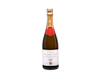
Château Chasse-Spleen, Moulis 2019

Red Wine from France - Bordeaux
0 star rating 0 Reviews
The leading property of Moulis, whose wines age extremely well, with depth of flavour, and increasing finesse. A promising 2019 with savoury fruit character and grainy tannins.
Price: £33.00 Bottle (£44.00/litre)
Price: £198.00 Case of 6 (£44.00/litre)
In Stock
Code: CM24611

Wine characteristics

  • Red Wine
  • Medium-bodied
  • Cabernet Merlot
  • 75cl
  • 2030 to 2042
  • 13.5% Alcohol
  • no oak influence
  • Cork, natural

Bestselling wines

Cru Classe Medoc, Graves

The original and most famous wine classification came about when the organisers of the 1855 Universal Exposition of Paris wanted, naturally enough, to show the finest wines of the Bordeaux region. Brokers dealing in the wines got together and produced two classifications of the best red and sweet wines respectively, based on the selling price of the wines at that time. The list was produced very soon after a request for it from the Bordeaux Chamber of Commerce was made, strongly suggesting that there was an ‘unofficial’ hierarchy already well known to the brokers.

These Grand Cru Classé wines were ranked in five tiers and, apart from the famous promotion of Château Mouton Rothschild in 1973 and the addition of Château Cantemerle to the fourth growths soon after the classification was established, they have remained unchanged ever since. Effectively, they represent what should be the best wines of the Médoc with the one interloper, Château Haut-Brion from Pessac-Léognan in the...
The original and most famous wine classification came about when the organisers of the 1855 Universal Exposition of Paris wanted, naturally enough, to show the finest wines of the Bordeaux region. Brokers dealing in the wines got together and produced two classifications of the best red and sweet wines respectively, based on the selling price of the wines at that time. The list was produced very soon after a request for it from the Bordeaux Chamber of Commerce was made, strongly suggesting that there was an ‘unofficial’ hierarchy already well known to the brokers.

These Grand Cru Classé wines were ranked in five tiers and, apart from the famous promotion of Château Mouton Rothschild in 1973 and the addition of Château Cantemerle to the fourth growths soon after the classification was established, they have remained unchanged ever since. Effectively, they represent what should be the best wines of the Médoc with the one interloper, Château Haut-Brion from Pessac-Léognan in the Graves region.

The wines of the right bank, such as Saint-Emilion and Pomerol were not included because their selling price was not as high at that time. Five first growths sit at the head of 62 properties, all of them from the Médoc except for Château Haut-Brion in Pessac-Léognan.

Naturally enough, there have been many unofficial revisions made over the years, with expert opinions brought to bear on what promotions and demotions might have been over the years, but none of these musings, no matter how reflective of changing standards and prices they might be, will change the stratification as it stands.

The classification is as follows:
First Growths (Premiers Crus)
Château Lafite Rothschild, Pauillac; Château Latour, Pauillac; Château Margaux, Margaux; Château Haut-Brion, Pessac-Léognan ; Château Mouton Rothschild, Pauillac.

Second Growths (Deuxièmes Crus)
Château Rauzan-Ségla, Margaux; Château Rauzan-Gassies, Margaux; Château Léoville-Las Cases, Saint-Julien; Château Léoville-Poyferré, Saint-Julien; Château Léoville-Barton, Saint-Julien; Château Durfort-Vivens, Margaux; Château Gruaud-Larose, Saint-Julien; Château Lascombes, Margaux; Château Brane-Cantenac, Margaux; Château Pichon Longueville Baron, Pauillac; Château Pichon Longueville Comtesse de Lalande, Pauillac; Château Ducru-Beaucaillou, Saint-Julien; Château Cos d'Estournel, Saint-Estèphe; Château Montrose, Saint-Estèphe.

Third Growths (Troisièmes Crus)
Château Kirwan, Margaux; Château d'Issan (Margaux); Château Lagrange, Saint-Julien; Château Langoa-Barton, Saint-Julien; Château Giscours, Margaux; Château Malescot Saint Exupéry, Margaux; Château Cantenac-Brown, Margaux; Château Boyd-Cantenac, Margaux; Palmer, now Château Palmer, Margaux; Château La Lagune, Ludon (Haut-Médoc); Château Desmirail, Margaux; Château Dubignon, Margaux; Château Calon-Ségur, Saint-Estèphe; Château Ferrière, Margaux; Château Marquis d'Alesme Becker, Margaux.

Fourth Growths (Quatrièmes Crus)
Château Saint-Pierre, Saint-Julien; Château Talbot, Saint-Julien; Château Branaire-Ducru, Saint-Julien; Château Duhart-Milon, Pauillac; Château Pouget, Margaux; Château La Tour Carnet, Saint-Laurent (Haut-Médoc); Château Lafon-Rochet, Saint-Estèphe; Château Beychevelle, Saint-Julien; Château Prieuré-Lichine, Margaux; Château Marquis de Terme, Margaux.

Fifth Growths (Cinquièmes Crus)
Château Pontet-Canet, Pauillac; Château Batailley, Pauillac; Château Haut-Batailley, Pauillac; Château Grand-Puy-Lacoste, Pauillac; Château Grand-Puy-Ducasse, Pauillac; Château Lynch-Bages, Pauillac; Château Lynch-Moussas, Pauillac; Château Dauzac, Margaux; Château d'Armailhac, Pauillac; Château du Tertre, Margaux; Château Haut-Bages-Libéral, Pauillac; Château Pédesclaux, Pauillac; Château Belgrave, Saint-Laurent (Haut-Médoc); Château de Camensac, Saint-Laurent (Haut-Médoc); Château Cos Labory, Saint-Estèphe; Château Clerc-Milon, Pauillac; Château Croizet Bages, Pauillac; Château Cantemerle, Macau (Haut-Médoc).

Alongside the reds resides the classification for Sauternes and Barsac from further up river on the Garonne. There, 27 estates make up a smaller pyramid of their own, topped by the legendary Château d’Yquem, which had been classified out on its own above all the other sweet wines of the region.

Since the 1885 classification there have been other such systems established. Those of Graves and Saint-Emilion, both established much later than the 1855 and both subject to change, changes which cause no end of trouble for the authorities as estates are promoted or, more contentiously demoted and seek legal redress for the perceived injustice.

Cru Bourgeois is a further classification in the Médoc, representing some 30% of the production of the area. It was established in 1932 to represent properties outside of the Grand Cru Classé estates, though it was not officially recognised by the French government until 2003. At that time the selection of properties entitled to use the designation was revised and, unsurprisingly, fiercely contested by those who were left outside the classification, leading to a legal decision annulling the original classification while their status is re-examined by the Bordeaux Chamber of Commerce. The list has previously been revised every 12 years, but from the 2018 vintage will be accredited every five years, and is based on the history terroir, winemaking and quality control of the properties, overseen by the Alliance des Crus Bourgeios de Médoc created in the same year as the revision. It is divided into three categories: Cru Bourgeios, Cru Bourgeios Supérieur and Cru Bourgeois Exceptionnel. In theory the fact that qualification for the designation is based on quality should see improvements in the quality of wines made under its nomenclature.
Read more

Château Chasse-Spleen

Although vines have been tended at Chasse-Spleen for hundreds of years, it wasn’t until the mid-1800s that the château got its name, after various divisions of the estate due to inheritances and marriages. One legend says the name was decided upon thanks to Lord Byron, who visited the estate in 1821, and is purported to have declared that the wine was so good it was a brilliant remedy to drive melancholy feelings away (or chasser le spleen).

In its more recent history, it was purchased by the talented négociant Jacques Merlaut in 1976. His daughter Bernadette Villars ran the property until her untimely death in 1992, after which the running of the estate was taken over by her daughter Claire, but now the estate is run by Claire’s sister Céline with her husband Jean-Pierre Foubert. In 2003, the couple expanded the vineyard area, purchasing vines from nearby Gressier Grand Poujeaux, which had been part of the original estate.

The area under vine now stands at 100 hectares, with a great variety of complementary soil types, from cabernet sauvignon’s favoured deep gravel, to merlot-friendly clay-limestone.

Chasse-Spleen has made consistently splendid claret with full-bodied, well-structured flavour and considerable finesse. The blend tends to consist of 73% cabernet sauvignon, 20% merlot and 7% petit verdot, which is aged for 18 months in oak, with 40% new barrels each year. It is possible to keep the wine for 10 to 20 years, although older vintages prove that it can age extremely ...
Although vines have been tended at Chasse-Spleen for hundreds of years, it wasn’t until the mid-1800s that the château got its name, after various divisions of the estate due to inheritances and marriages. One legend says the name was decided upon thanks to Lord Byron, who visited the estate in 1821, and is purported to have declared that the wine was so good it was a brilliant remedy to drive melancholy feelings away (or chasser le spleen).

In its more recent history, it was purchased by the talented négociant Jacques Merlaut in 1976. His daughter Bernadette Villars ran the property until her untimely death in 1992, after which the running of the estate was taken over by her daughter Claire, but now the estate is run by Claire’s sister Céline with her husband Jean-Pierre Foubert. In 2003, the couple expanded the vineyard area, purchasing vines from nearby Gressier Grand Poujeaux, which had been part of the original estate.

The area under vine now stands at 100 hectares, with a great variety of complementary soil types, from cabernet sauvignon’s favoured deep gravel, to merlot-friendly clay-limestone.

Chasse-Spleen has made consistently splendid claret with full-bodied, well-structured flavour and considerable finesse. The blend tends to consist of 73% cabernet sauvignon, 20% merlot and 7% petit verdot, which is aged for 18 months in oak, with 40% new barrels each year. It is possible to keep the wine for 10 to 20 years, although older vintages prove that it can age extremely well for much longer.
Read more

Bordeaux Vintage 2019

Unusual circumstances. Unusual solutions. Visits to Bordeaux at harvest time by our Bordeaux buyer Tim Sykes showed him the potential of 2019 clarets, which carefully organised tastings in spring 2020 bore out with some wonderful wines. What's more, the extraordinary circumstances of lockdown in 2020 made some châteaux offer much reduced prices. Two compelling reasons for regarding the vintage well as a buyer and drinker.

The 2019 Bordeaux vintage is unquestionably very good indeed, and for châteaux with their vines in the best terroirs, potentially excellent. Weather conditions overall were hot and dry, but the remarkable characteristic of the vintage is that the wines (both reds and white) have maintained freshness, with lovely cool, lifted fruit character. And whilst alcohol levels are above average for the past few years there is little evidence of this in the glass, thanks to a seam of fresh acidity running through the wines. Balance is the key to a great wine and the ...

Unusual circumstances. Unusual solutions. Visits to Bordeaux at harvest time by our Bordeaux buyer Tim Sykes showed him the potential of 2019 clarets, which carefully organised tastings in spring 2020 bore out with some wonderful wines. What's more, the extraordinary circumstances of lockdown in 2020 made some châteaux offer much reduced prices. Two compelling reasons for regarding the vintage well as a buyer and drinker.

The 2019 Bordeaux vintage is unquestionably very good indeed, and for châteaux with their vines in the best terroirs, potentially excellent. Weather conditions overall were hot and dry, but the remarkable characteristic of the vintage is that the wines (both reds and white) have maintained freshness, with lovely cool, lifted fruit character. And whilst alcohol levels are above average for the past few years there is little evidence of this in the glass, thanks to a seam of fresh acidity running through the wines. Balance is the key to a great wine and the 2019s are harmoniously balanced.

Tim Sykes made two trips to Bordeaux last year during the harvest, once towards the end of September to visit the right bank appellations of Saint-Emilion and Pomerol, and then again during the second week of October for the Médoc, Graves and Sauternes. Both visits revealed an abundance of small, healthy grapes arriving at the cellar doors.

In normal years Tim would make two subsequent week-long trips to Bordeaux in April to taste the new vintage, but as we all know 2020 was not a normal year. Having been forced to cancel his trips he, like Bordeaux buyers around the world, was unable to visit individual châteaux to taste barrel samples of the 2019 vintage in the normal way, so instead he was sent, and tasted, dozens of samples here in the UK. Whilst this is not the same as tasting 'sur place', it enabled him to form an opinion of the individual wines and develop a clear overall picture of the style and quality of the vintage. Barrel samples of very young wines are fragile and transporting them any distance means that there is an increased chance of them deteriorating in transit. Tim therefore requested that all samples be drawn from barrel at the beginning of the week so that I could taste towards the end of the same week, thus minimising the risk of oxidation.

The 2019 growing season was not straightforward, and vineyard managers needed to be vigilant, but those who kept on top of things were rewarded with a fine and sizeable crop. In the winery, low-temperature fermentations and gentle extractions were the keys to producing attractively balanced wines.

Read more

2019 vintage reviews
Back to top